Intro:
The Dangers in My Heart (Boku no Kokoro no Yabai Yatsu) is a popular romantic anime set in real locations around Tokyo.
In this guide, I visited the real-life places featured in the anime and created a detailed anime pilgrimage guide for fans traveling to Japan. You’ll find photos from the actual locations, directions from major stations, and tips to help you enjoy your visit just like the characters in the series.
If you’re an anime fan planning a trip to Japan, this guide will help you turn your love for The Dangers in My Heart into an unforgettable travel experience.
The Dangers in My Heart Background and Tokyo Connection
The Dangers in My Heart (Boku no Kokoro no Yabai Yatsu) is an anime adaptation of Norio Sakurai’s popular manga. The first season aired in 2023, followed by a critically praised second season in 2024. The series won fans worldwide thanks to its realistic school-life setting and heartfelt portrayal of adolescence.
The story centers on Kyotaro Ichikawa, a quiet, socially awkward boy with a vivid imagination, and Anna Yamada, a charming but unexpectedly goofy model and classmate. As the two grow closer, the series beautifully captures their emotional development through gentle humor and subtle, intimate moments.
While the anime takes place in a fictionalized setting, many backgrounds are inspired by real-life Tokyo neighborhoods, stations, bookstores, and everyday street scenes. This naturalistic depiction makes the series especially appealing for fans who enjoy anime pilgrimages.
Must-See The Dangers in My Heart Spots in Shibuya
Don’t miss these key locations that capture the charm and atmosphere of the series.
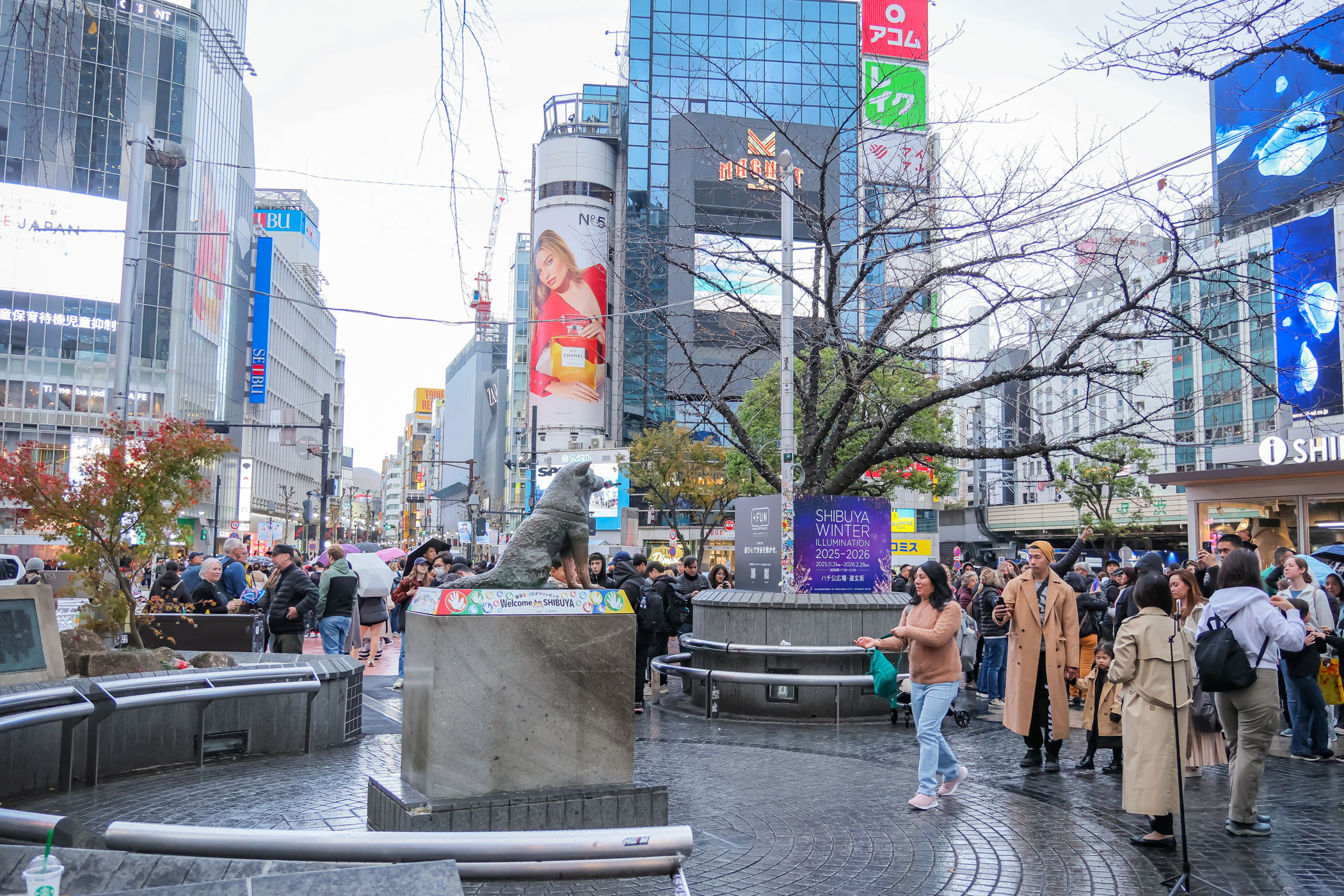
Hachiko Statue – A Beloved Symbol of Loyalty in the Heart of Shibuya
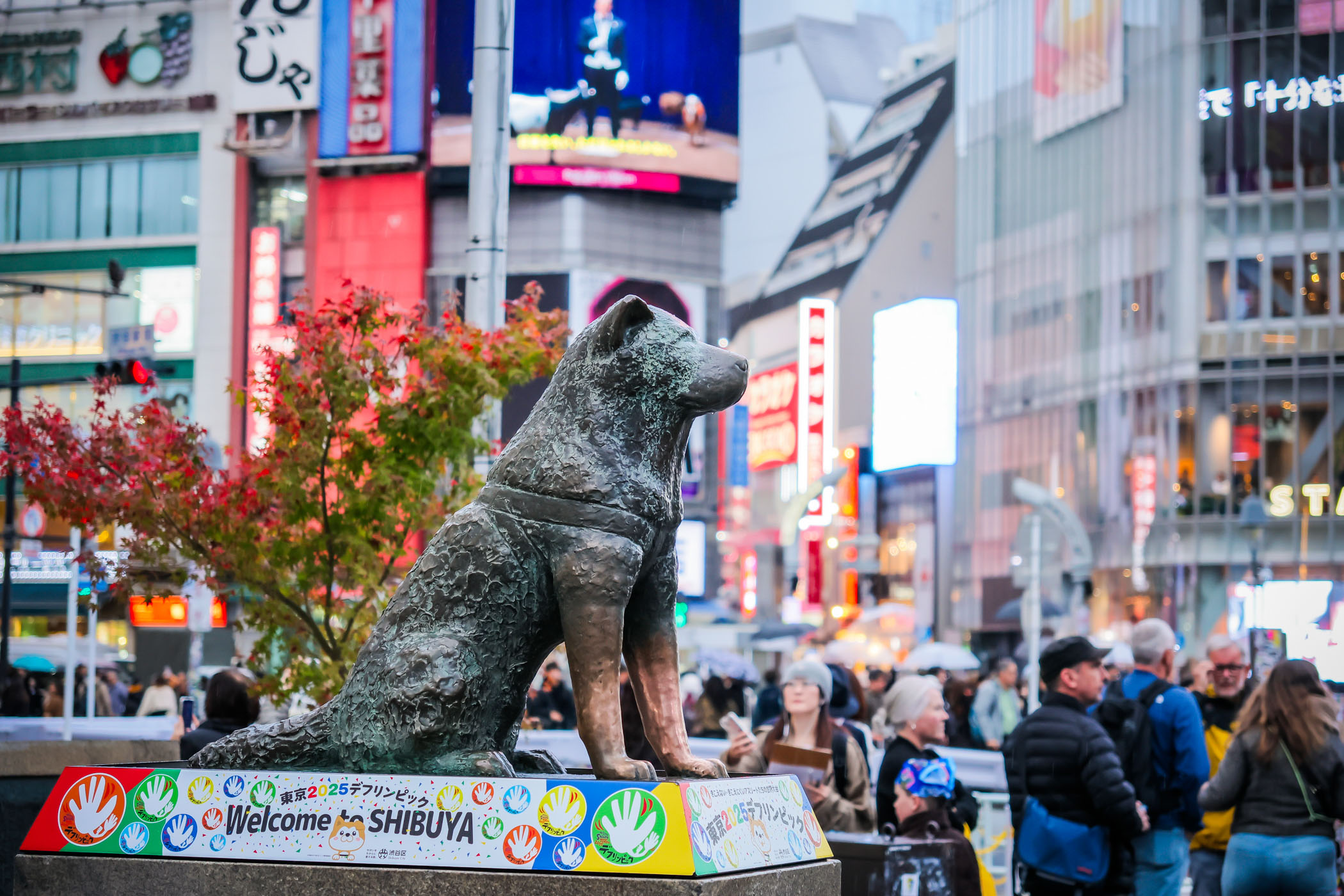
The Hachiko Statue is one of Shibuya’s most iconic landmarks and a deeply cherished symbol of loyalty in Japan. Located just outside Shibuya Station, the statue honors the famous Akita dog Hachiko, who continued to wait for his owner every day for nearly ten years after his passing. Today, the spot serves not only as a popular meeting place but also as a cultural touchstone for visitors from around the world.
Surrounded by the vibrant energy of Shibuya—its bustling streets, bright billboards, and steady flow of people—the statue offers a moment of warmth and reflection amid the city’s fast-paced atmosphere. It’s a place where history, emotion, and modern Tokyo all meet.
Grandma’s GEORGES – The First Café Ichikawa and Yamada Visited Together
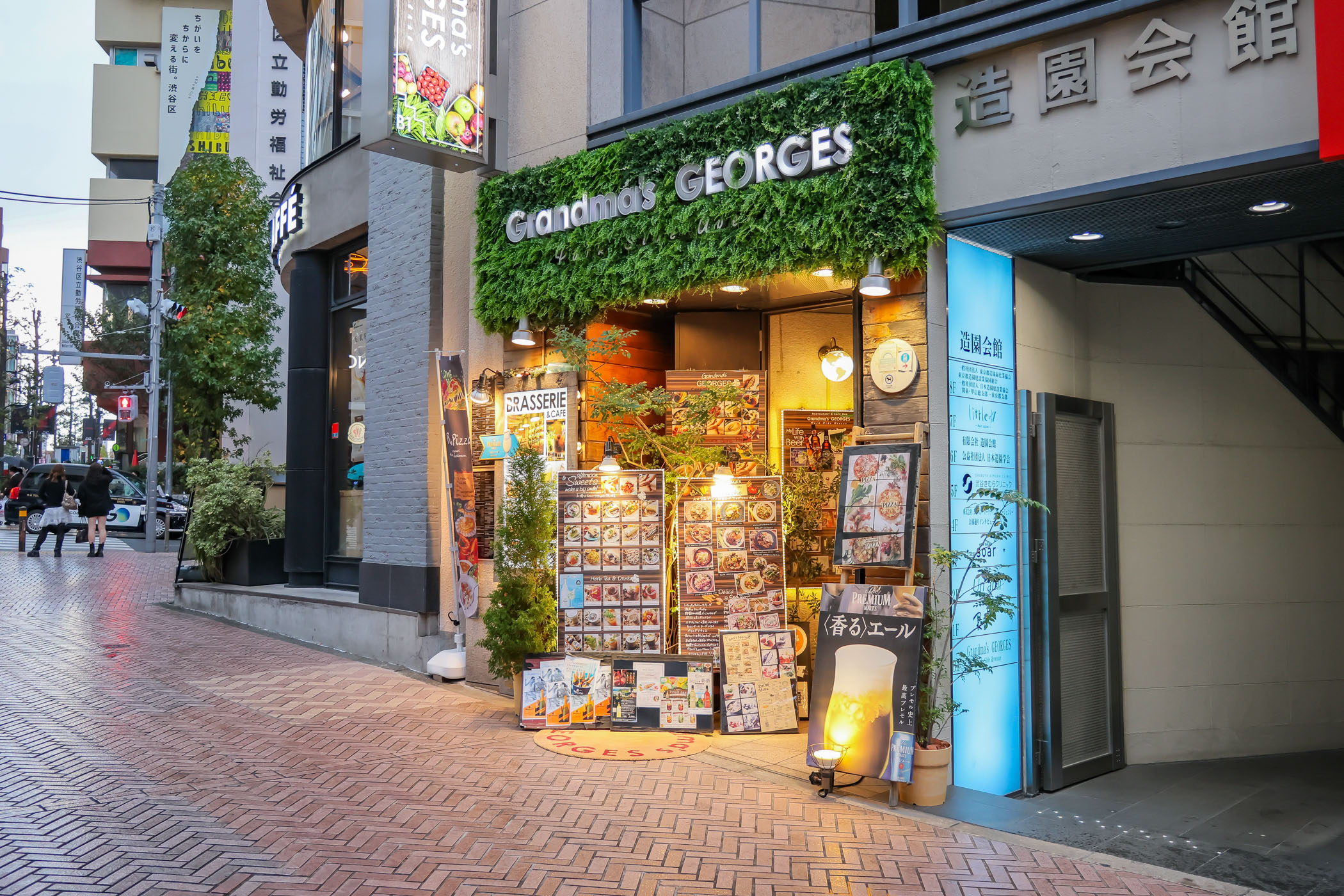
Grandma’s GEORGES is a popular spot among fans of The Dangers in My Heart, known as the place where Ichikawa and Yamada visit together for the very first time. In reality, only the exterior and the staircase leading up to the café match what appears in the anime, while the interior seems to have been inspired by a different location. Even so, the atmosphere around the entrance alone is enough to evoke the scene where the two begin to close the distance between them, making it a meaningful stop for any fan.
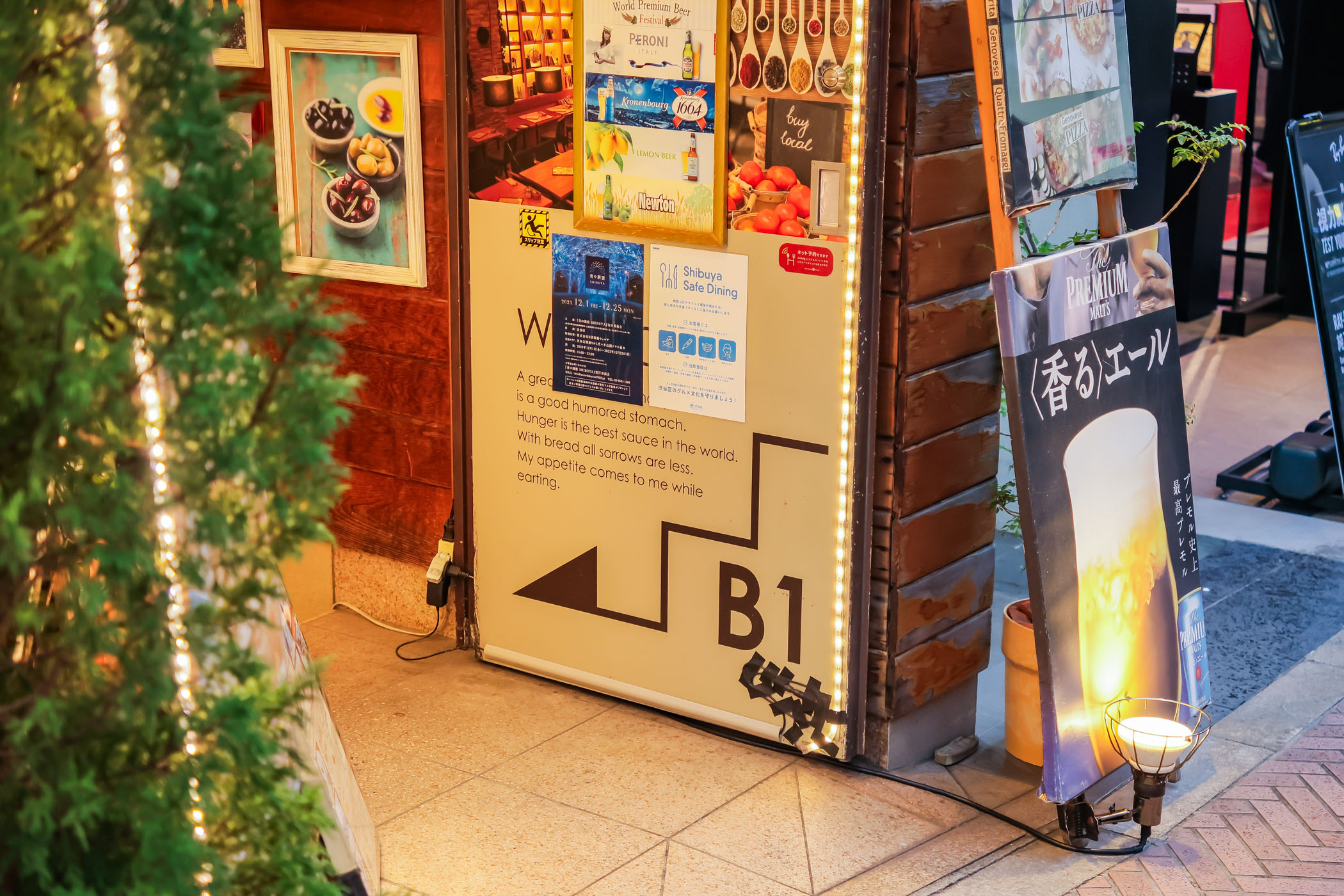
As the writer, I was particularly struck by Ichikawa’s inability to take the lead and how he gradually loses confidence during what feels almost like a date. It’s a moment that made me think, “I know exactly how that feels,” and it left a deep impression on me. Standing at the foot of the staircase and seeing the exterior firsthand naturally brings back Ichikawa’s nervousness, awkwardness, and the subtle kindness Yamada shows him.
Anime Pilgrimage: The Dangers in My Heart Connection
For fans of The Dangers in My Heart, the Hachiko area captures the feeling of youthful encounters and quiet emotional shifts within a lively urban backdrop. Visiting the statue allows travelers to experience a charming piece of Shibuya’s heart while imagining scenes that echo the anime’s mood.
How to Reach Shibuya
Shibuya Station is one of Tokyo’s most convenient hubs, accessible via JR and multiple subway lines. Arriving by JR Yamanote Line is the simplest option. Once outside, you’re moments away from iconic photo locations
Shibuya – Traveler Tips
Access: JR Yamanote Line, Tokyo Metro Ginza Line, Hanzomon Line, Fukutoshin Line, and more.
Best Time: Early morning or evening offers the most atmospheric lighting.
If you’d like to experience Shibuya’s lively crowds just as they appear in the anime, visiting during the busy hours from midday to late afternoon can also be a great option.
Photo Spots:
- Shibuya Crossing
- Shibuya Scramble Square observatory
- Center Gai shopping street
- Hachiko Statue
Senzoku Station Area – Quiet Neighborhood Vibes That Match the Anime’s Tone
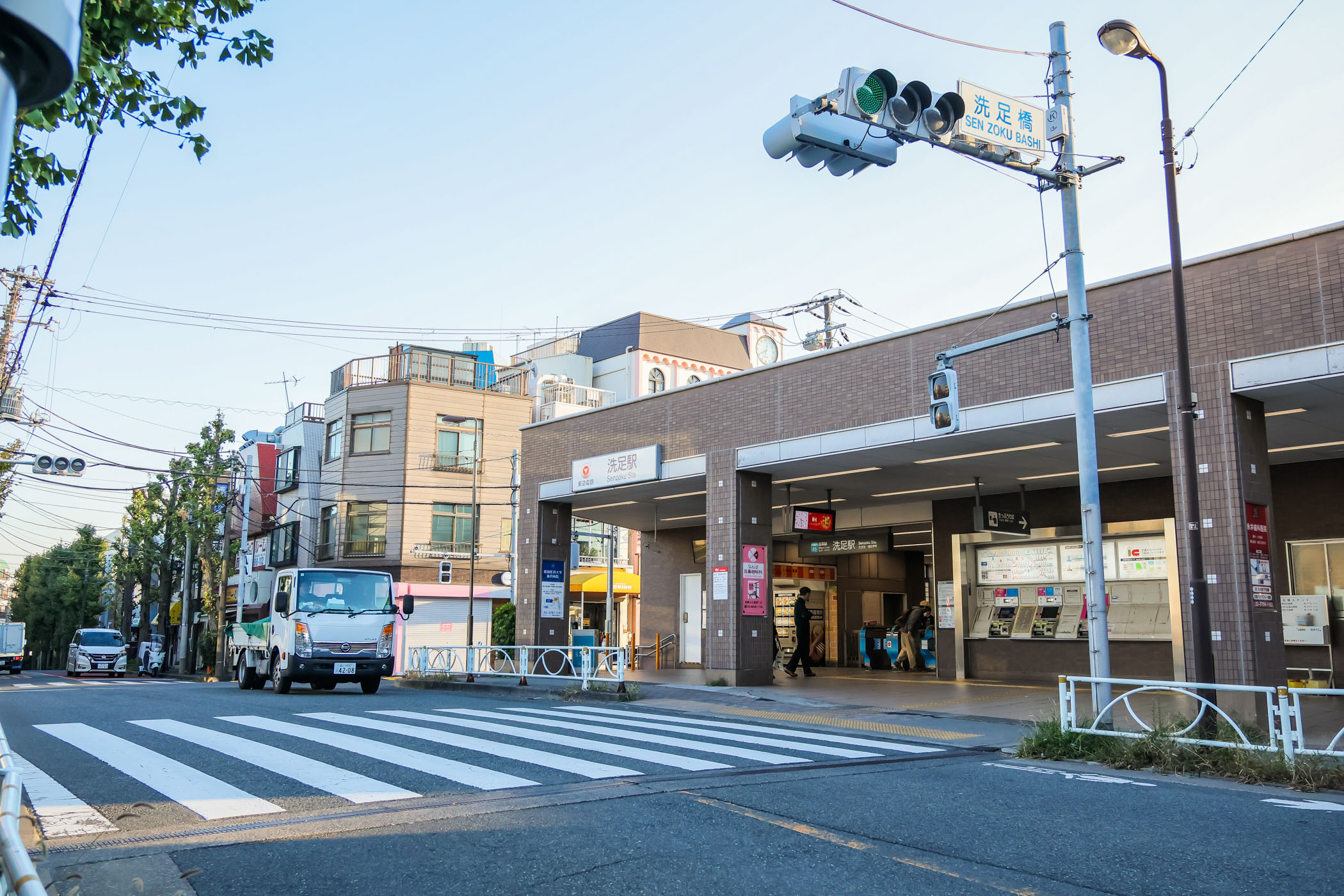
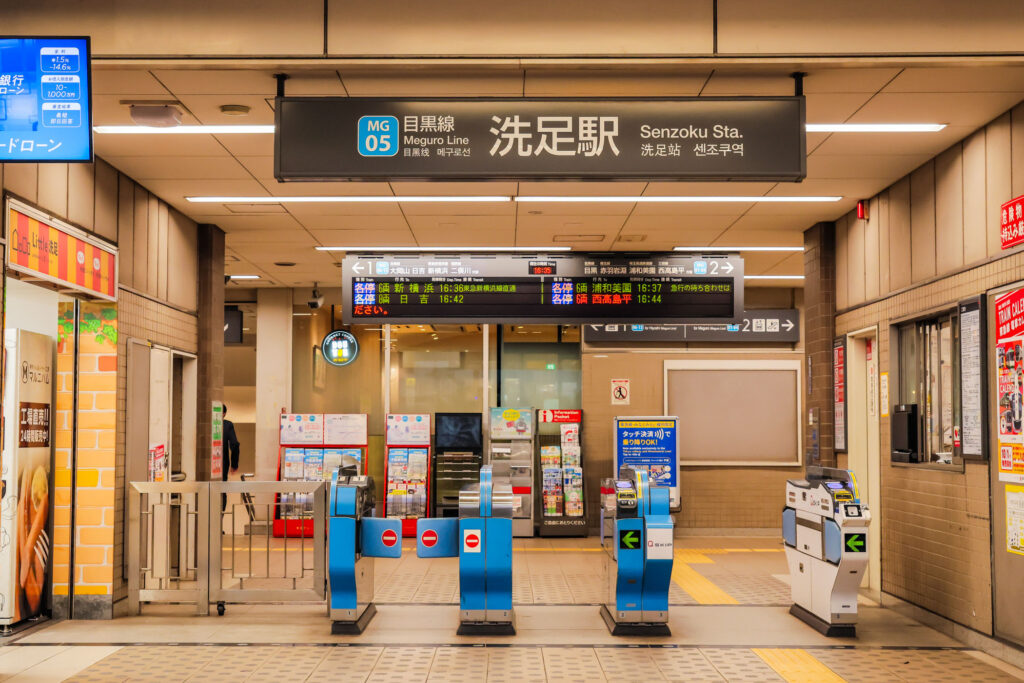
Located in Tokyo’s Meguro Ward, Senzoku Station (Tokyu Meguro Line) is known for its calm residential atmosphere, peaceful streets, and local shops. Its everyday scenery—quiet intersections, cozy cafés, small shopping streets—closely resembles the grounded, relatable world portrayed in The Dangers in My Heart.
Senzoku Station – A Memorable Spot in the Characters’ After-School Route
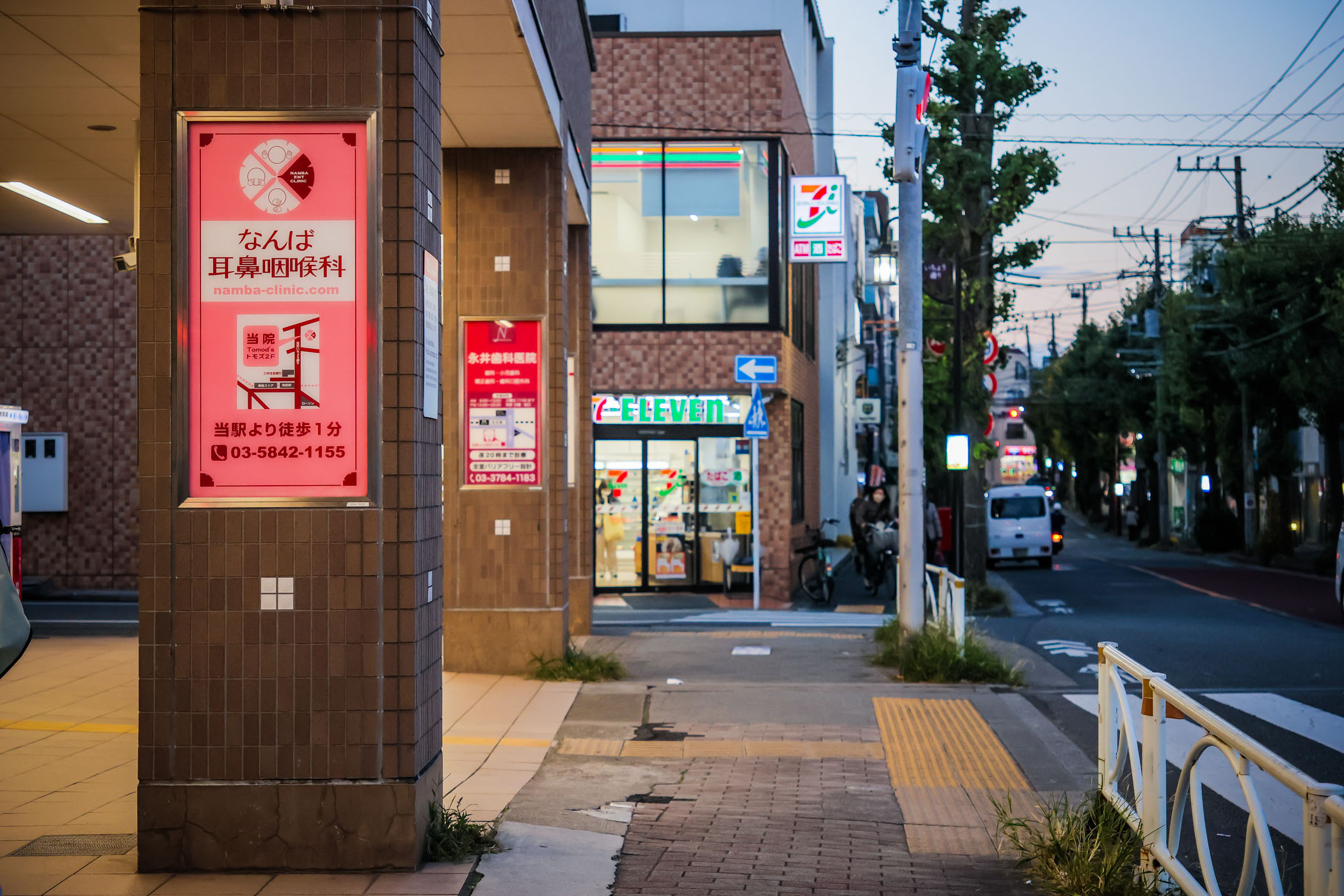
Senzoku Station appears in The Dangers in My Heart as a key location along Ichikawa and Yamada’s after-school route. It is first featured in the scene where Ichikawa gives Yamada a ride on his bicycle, marking a small but meaningful moment in their growing closeness. Beyond this pivotal scene, the station also appears multiple times throughout the series, including during the social studies field trip and their Christmas date, making it a recurring backdrop in their shared experiences.
The quiet, suburban atmosphere of Senzoku Station reflects the calm and everyday life that defines much of the anime. Visiting the station allows fans to step into the characters’ world, imagining Ichikawa and Yamada walking through the same streets, carrying their thoughts, small worries, and subtle emotions as they make their way home or toward another encounter.
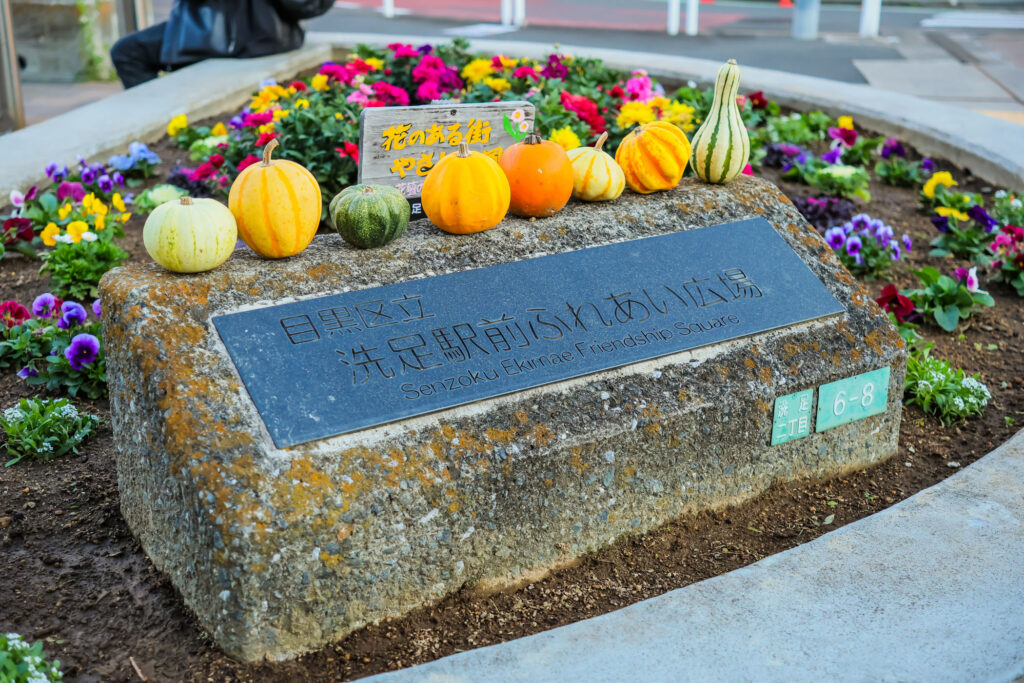
Senzoku Ekimae Friendship Squere
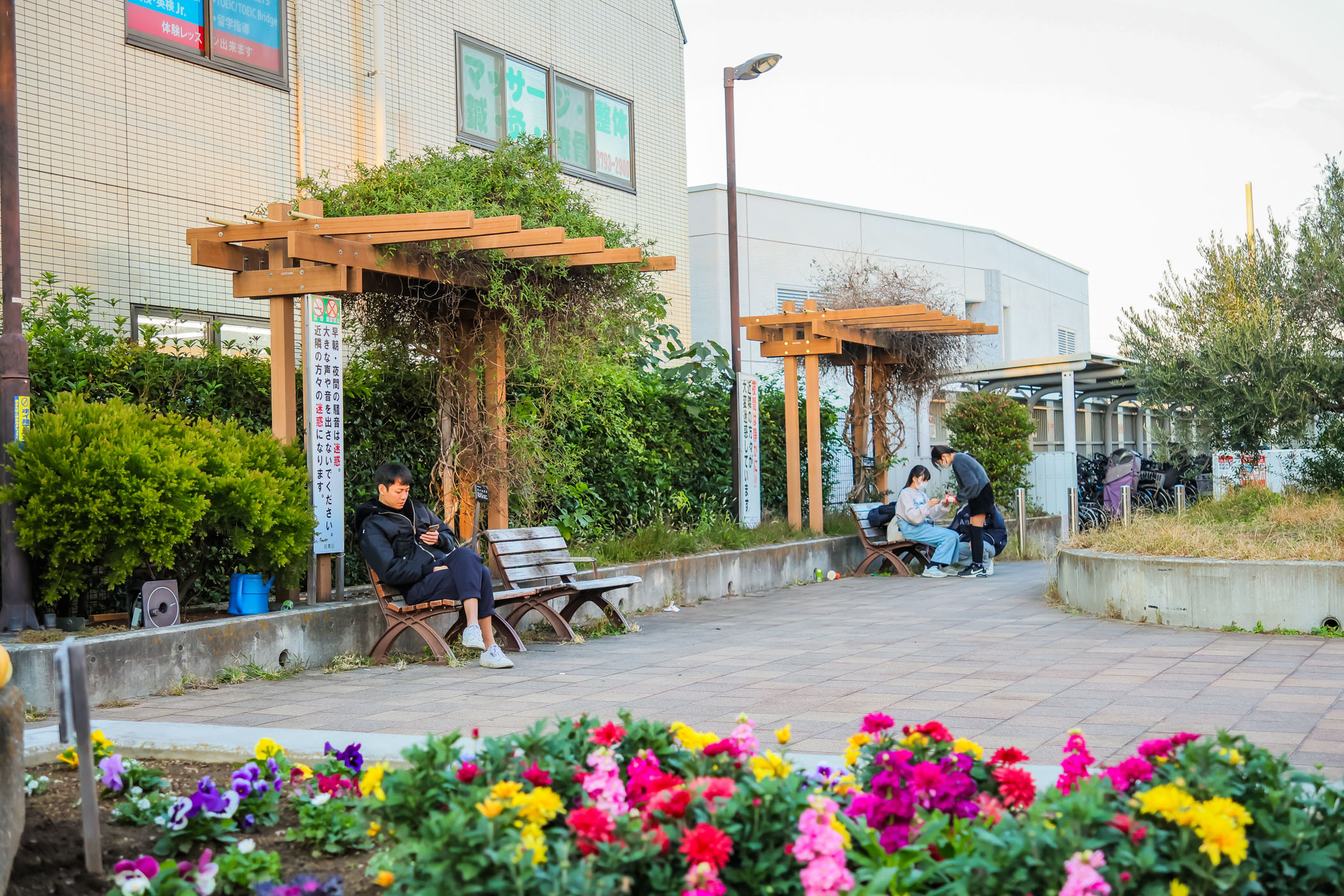
Right across the street from the station is the park where Yamada gave him chocolate.
In Japan, giving handmade chocolate on Valentine’s Day is almost like saying “I like you.” Yamada couldn’t bring herself to give it at school, hesitating too much to make a move, but later that night, she finally mustered the courage to hand it to Ichikawa at this park.
Koyama 7-chome Intersection – A Spot Reflecting Ichikawa’s Everyday World
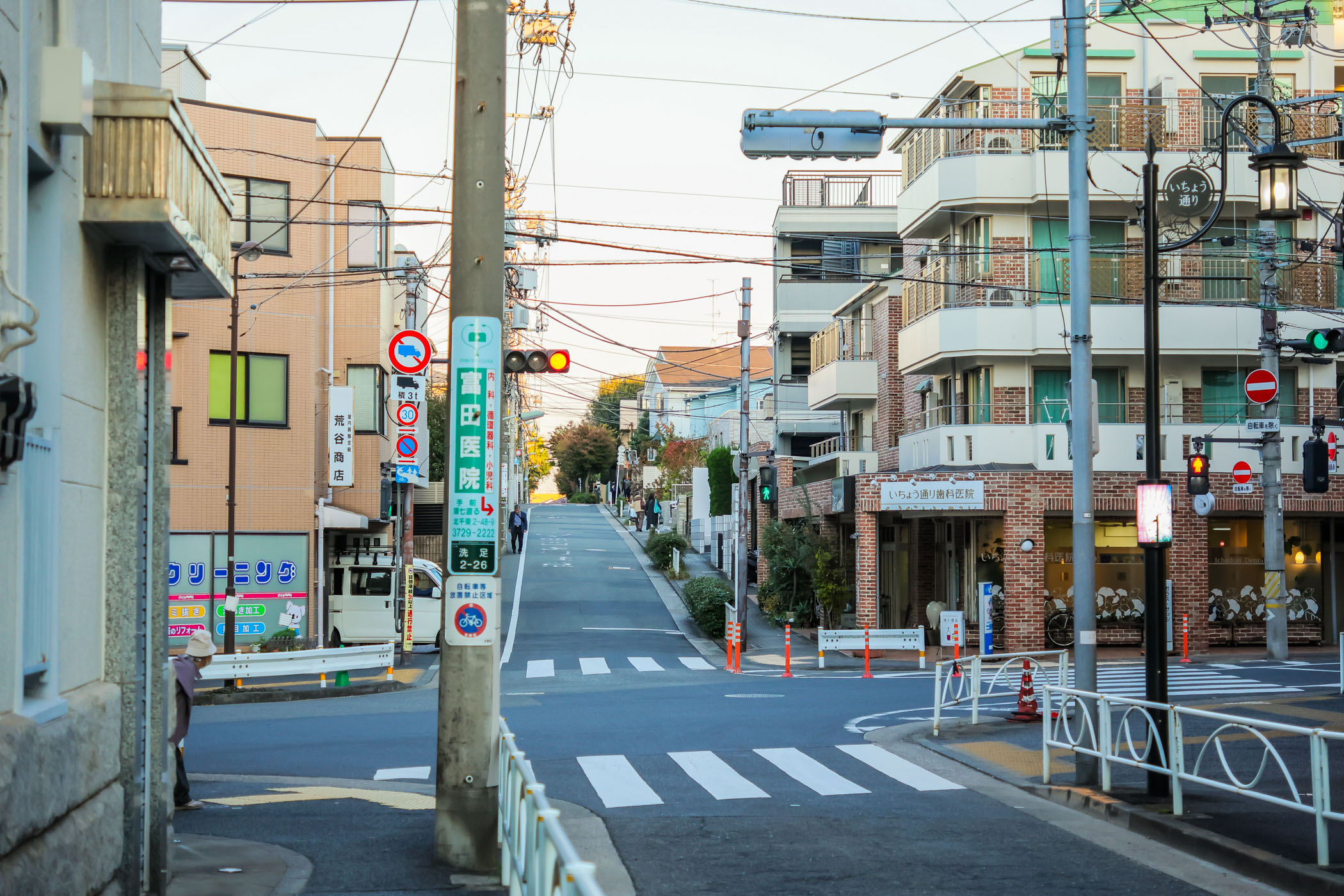
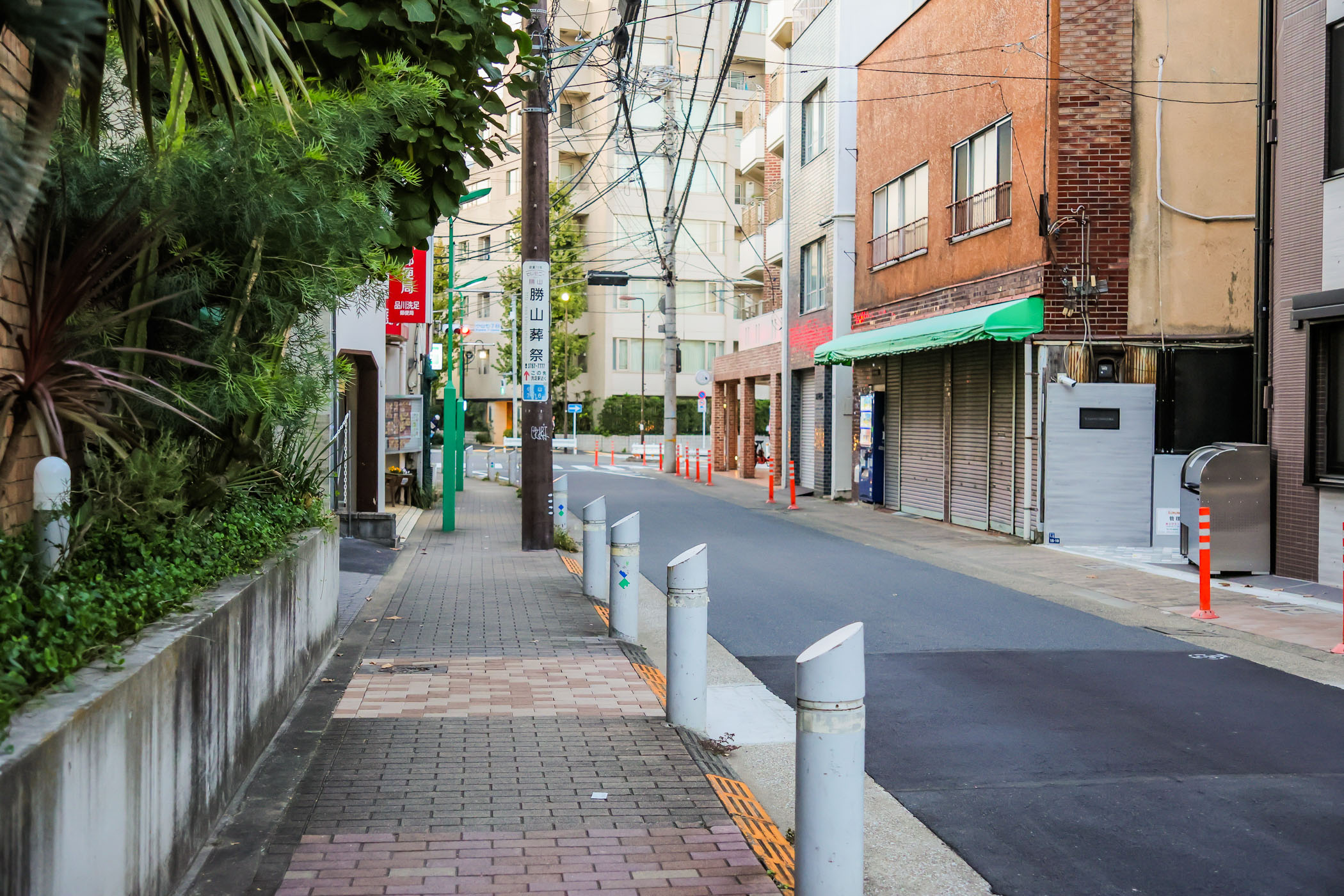
Koyama 7-chome Intersection is a small, unassuming crossing in a typical residential neighborhood, depicted in The Dangers in My Heart as part of Ichikawa’s quiet, everyday environment. The area is lined with homes and small, traditional local shops, perfectly capturing the calm and realistic atmosphere of the suburban scenes shown in the anime.
In the series, this intersection appears in the scene where Ichikawa witnesses senior Nanjo hitting on Yamada. The simplicity of the location reflects the subtle and quiet emotional shifts that run throughout the story. In the anime, there is also a river just beyond this intersection where Ichikawa throws his bicycle, but in reality, no river exists in this area.
FamilyMart Haramachi 2-chome – A Real-Life Convenience Store That Mirrors the Anime Scene
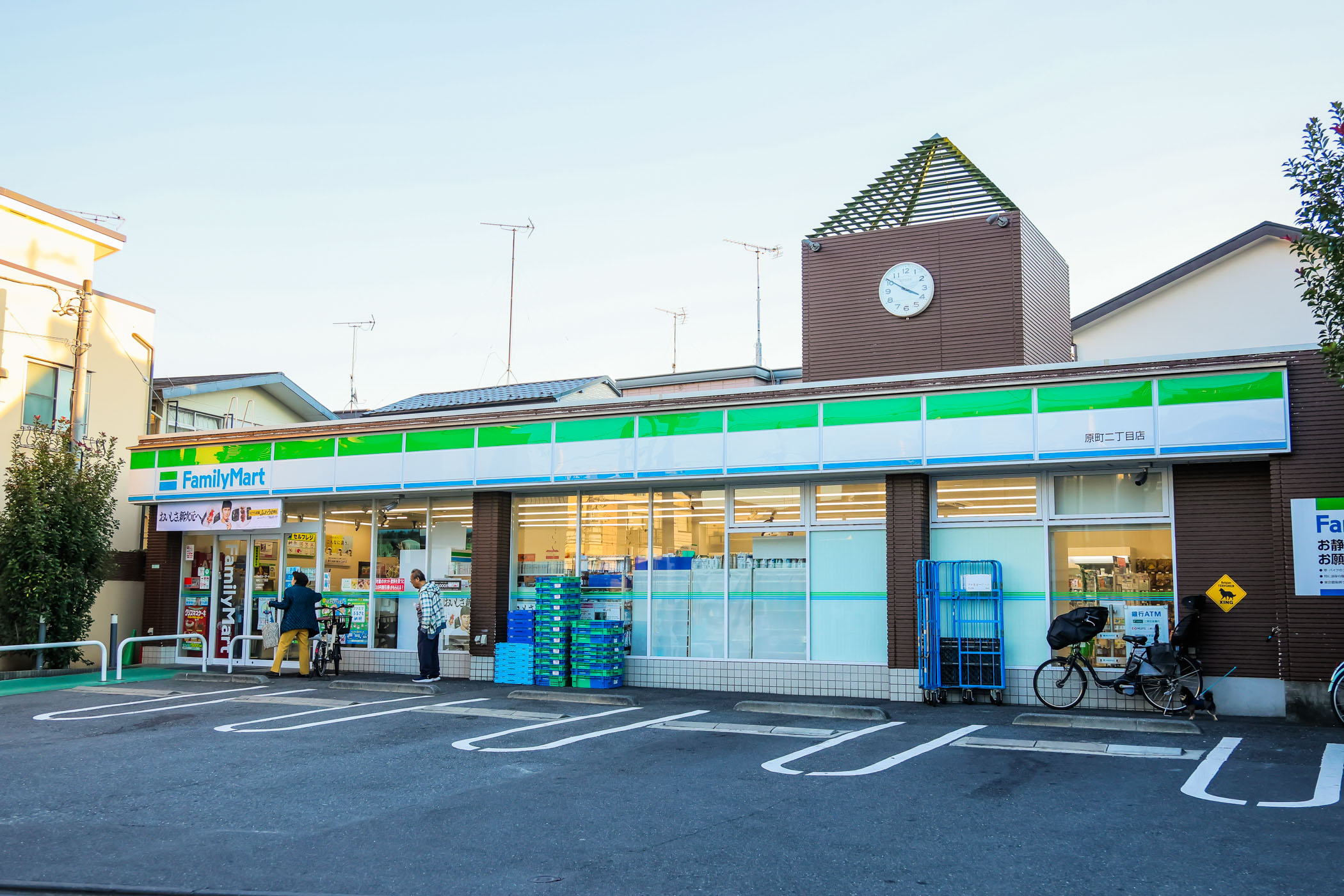
FamilyMart Haramachi 2-chome is depicted in The Dangers in My Heart as a spot along the familiar after-school route of Ichikawa and Yamada. In Episode 4, Ichikawa unexpectedly runs into Yamada here, which later leads to their first bicycle double ride. It’s a memorable scene that marks a subtle turning point in the development of their relationship.
The store also appears during the New Year’s Eve scene, when Ichikawa encounters Najō-senpai, showing how different events unfold at the same location within the story.
Visiting the real-life store, fans will notice how closely the façade and surrounding streets resemble the anime. Standing here, it’s easy to imagine the two walking along this path after school, carrying their worries, hopes, and unspoken feelings as they make their way home.
Haramachi Koban
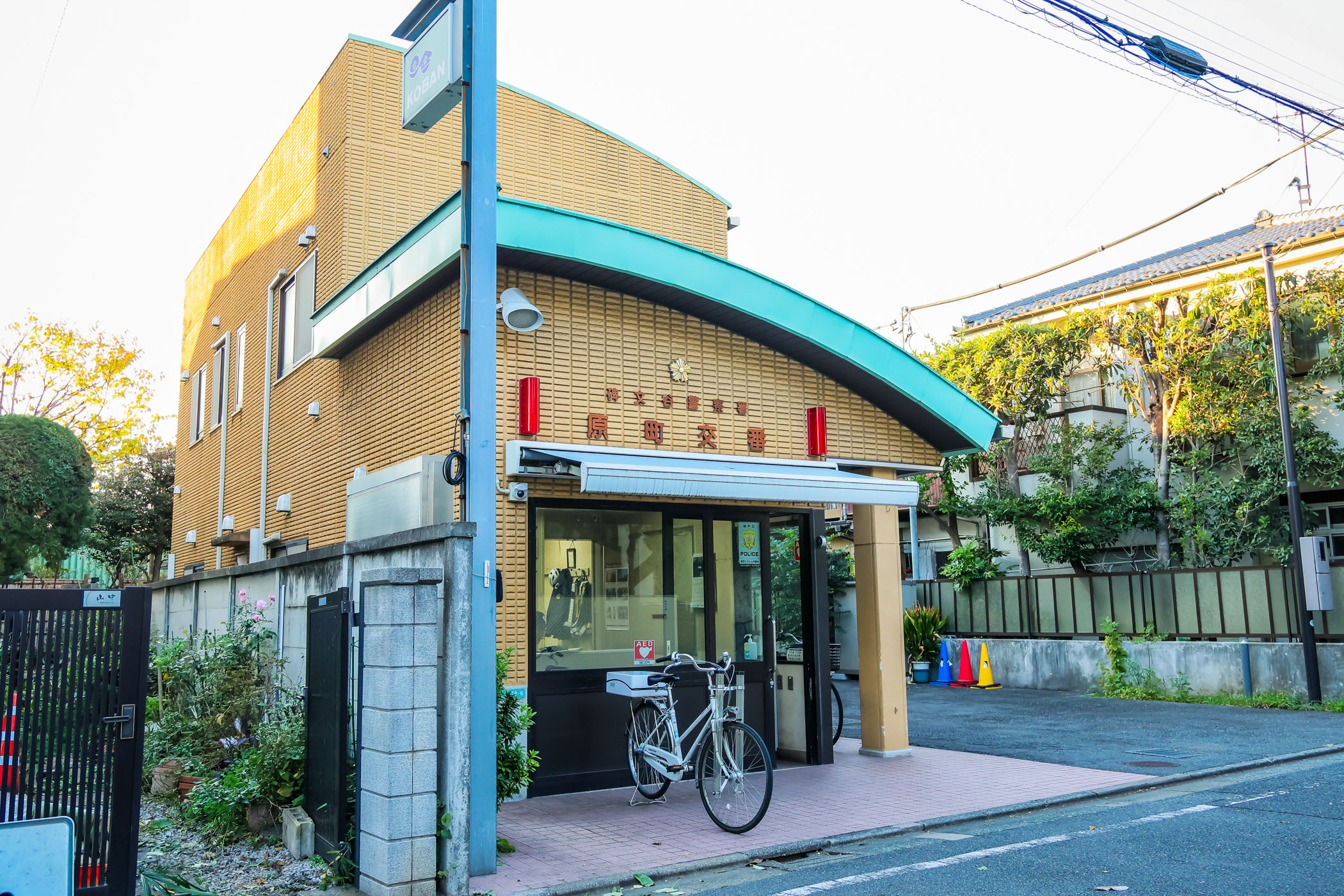
Haramachi Koban appears in The Dangers in My Heart when Ichikawa gives Yamada a ride on his bicycle for the first time. In Japan, it’s common to see a boy and girl riding double on a bicycle as a symbol of youth—even though technically it’s illegal and could get you stopped by the police, so caution is advised.
Seeing Ichikawa suddenly placed in this situation and worrying whether his actions are normal is something I, as the writer, deeply relate to. That awkward moment when his feelings and behavior don’t quite align perfectly captures his character in a very real and endearing way.
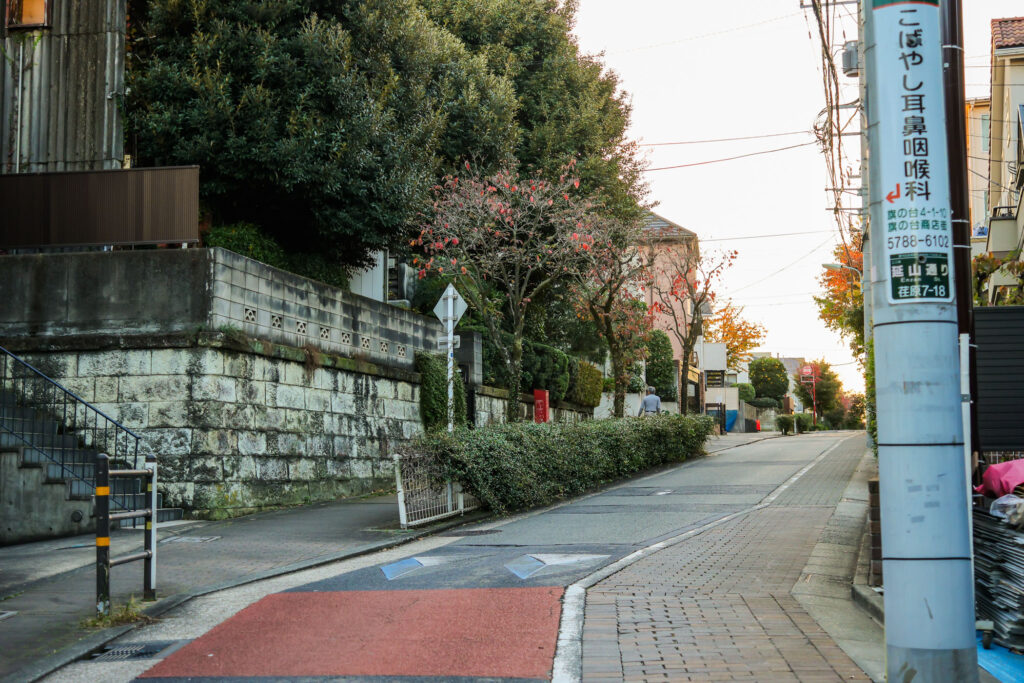
The road Ichikawa took while carrying Yamada before reaching the police box. In reality, it’s on an incline, so pedaling should be quite tough.
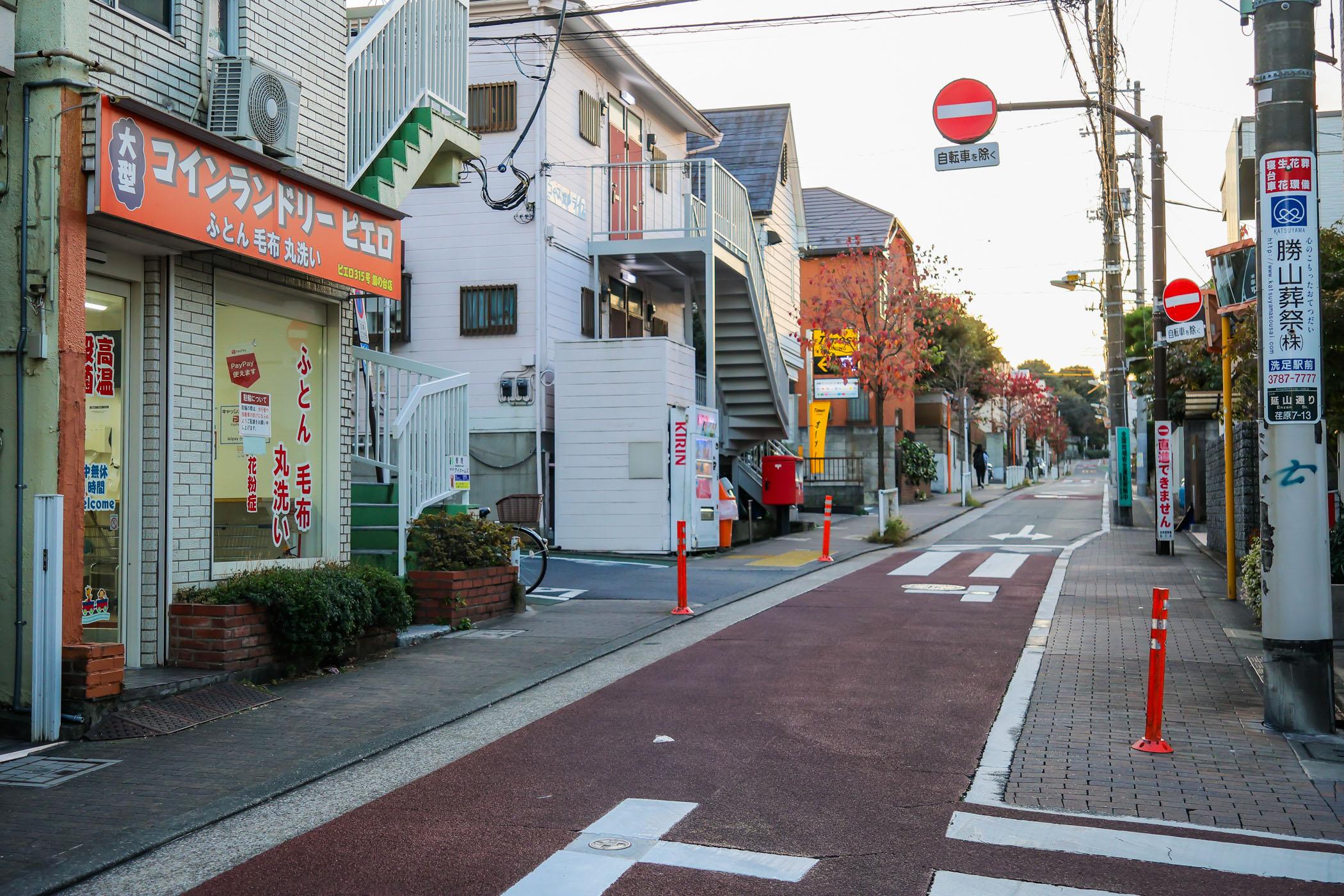
The spot that served as the model for where Sekine suddenly grabbed Ichikawa’s hand in Season 1, Episode 11. It’s a quiet, peaceful place.
Anime Pilgrimage: The Dangers in My Heart Connection
The area around Senzoku Station evokes the quiet suburban atmosphere often seen in the anime’s school-life scenes. Visitors can instantly feel the delicate emotional tone and grounded realism that define the series. Since it is a peaceful residential neighborhood, fans should be mindful not to disturb local residents when taking photos.
Senzoku – Traveler Tips
Access: Tokyu Meguro Line, direct connections from Meguro and Musashi-Kosugi.
Best Time: Afternoon walks are ideal for soft, warm lighting.
Photo Ideas:
- Station front streets
- Small cafés and residential walkways
- Local shopping streets and corners with natural lighting
Meguro Station & Iidabashi – Scenes from the Field Trip Mix-Up
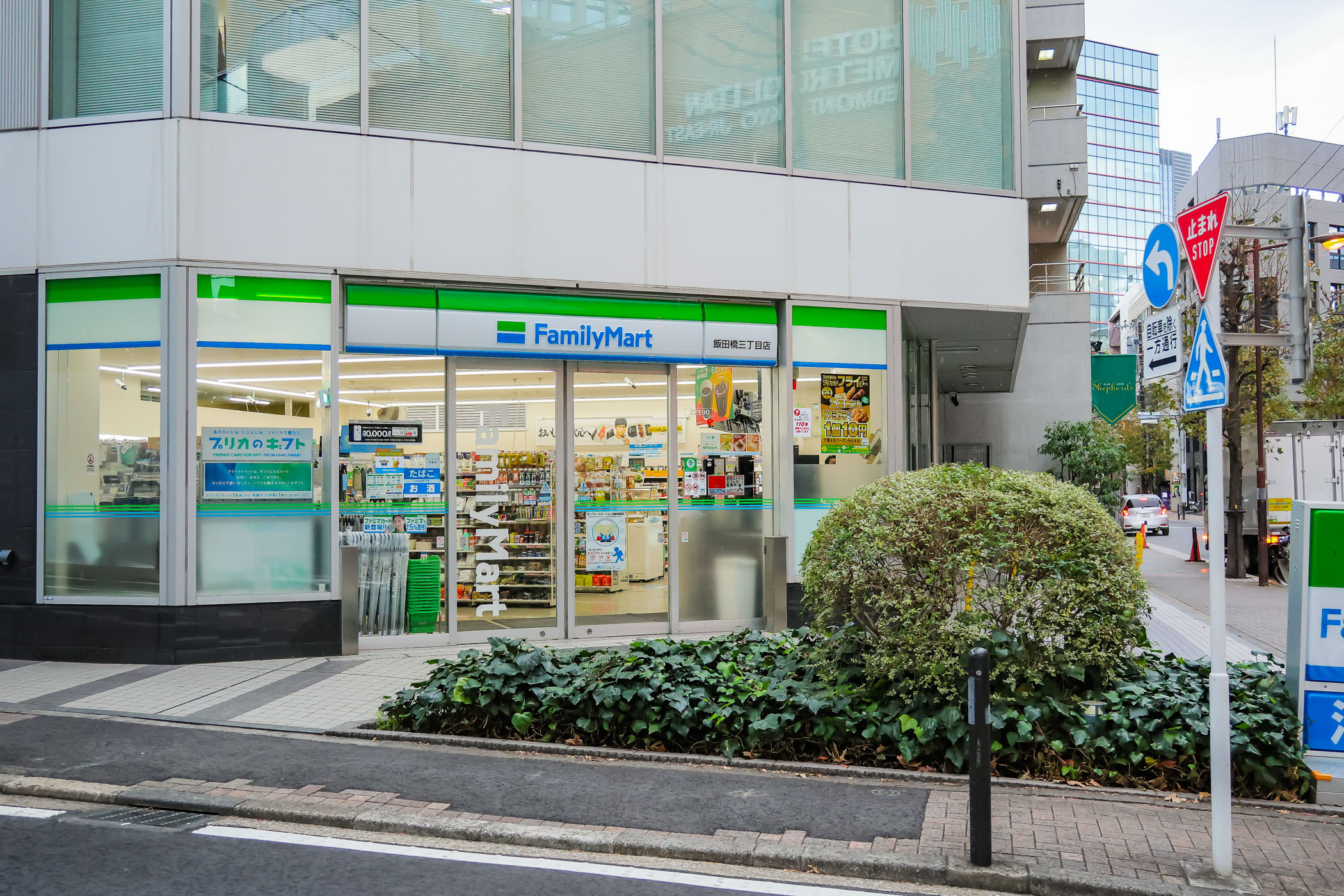
The location where Ichikawa and Yamada were left behind on their way home from the field trip is far from the Senzoku area. However, this spot is also not a tourist destination—it’s a transfer station situated between an office district and a residential neighborhood.
Meguro Station – The Model for Ichikawa and Yamada’s Quiet Moment After the Field Trip
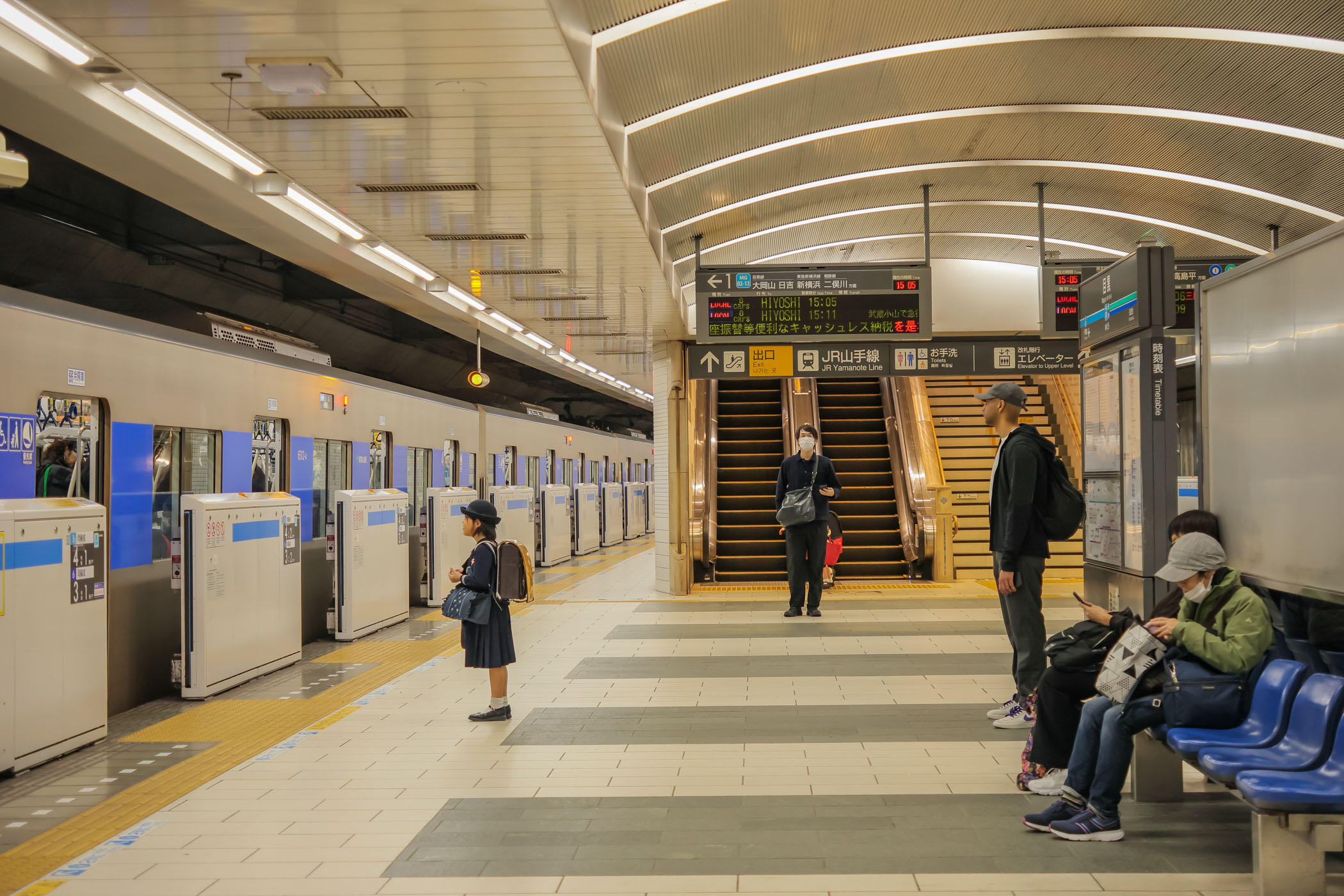
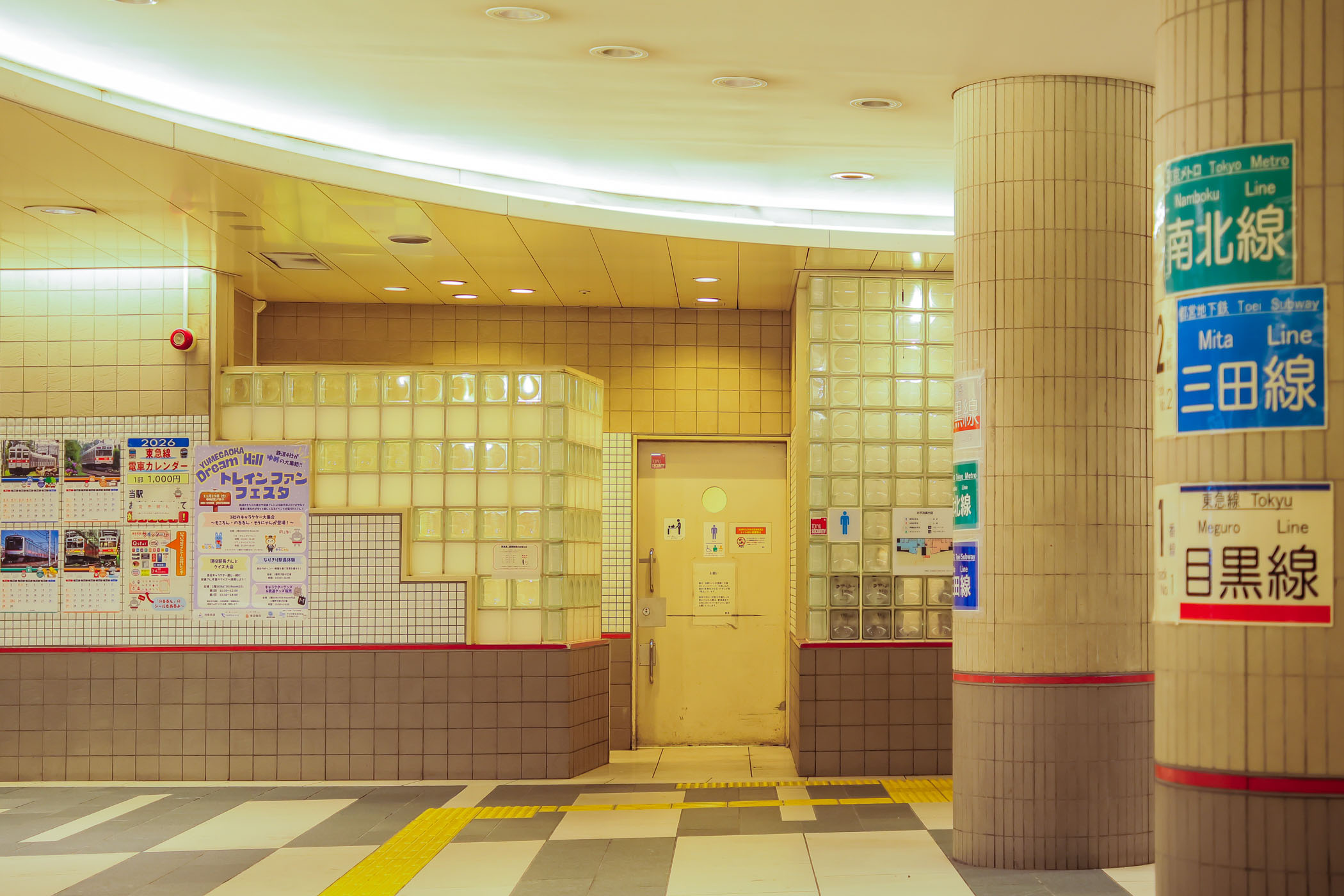
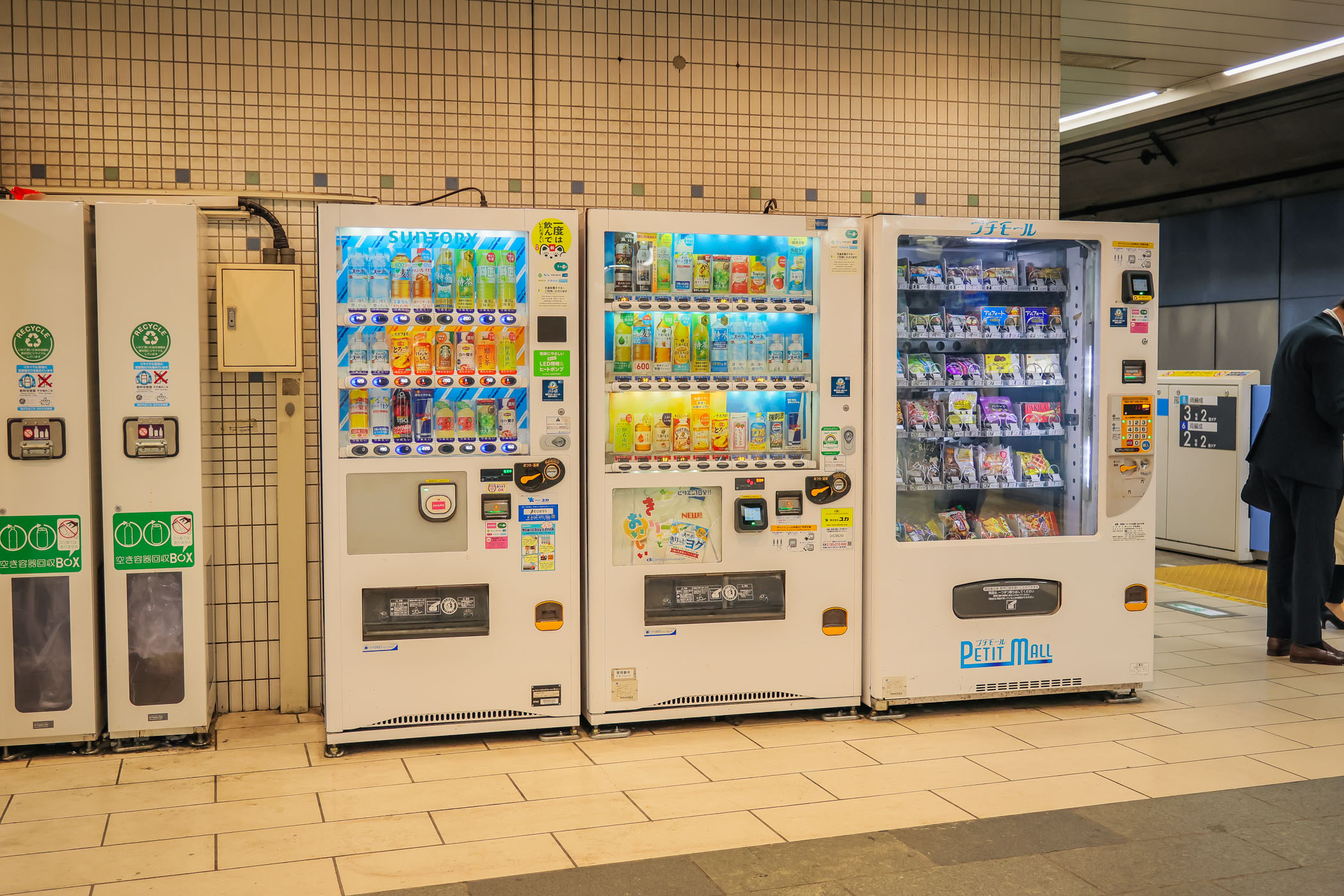
Meguro Station serves as the real-life inspiration for the scene where Ichikawa and Yamada become separated from their classmates on the way home from their field trip. In this moment, Ichikawa gently hands Yamada a bottle of milk tea to calm her nerves—a small gesture that later proves deeply meaningful. Later in the series, this very milk tea is shown carefully kept in Yamada’s room, highlighting how important the memory was to her.
Iidabashi – Exploring the Area Around Akita Shoten
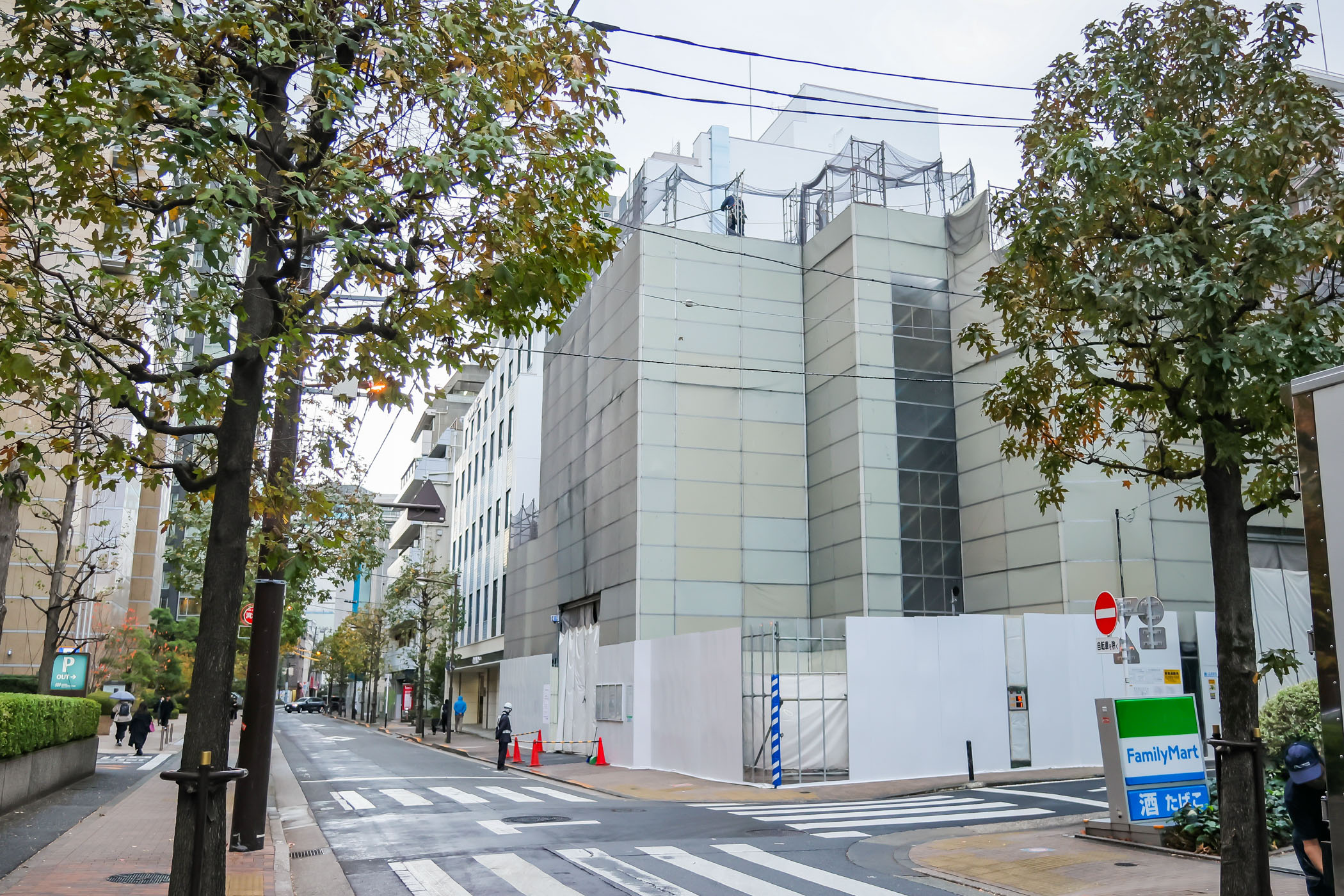
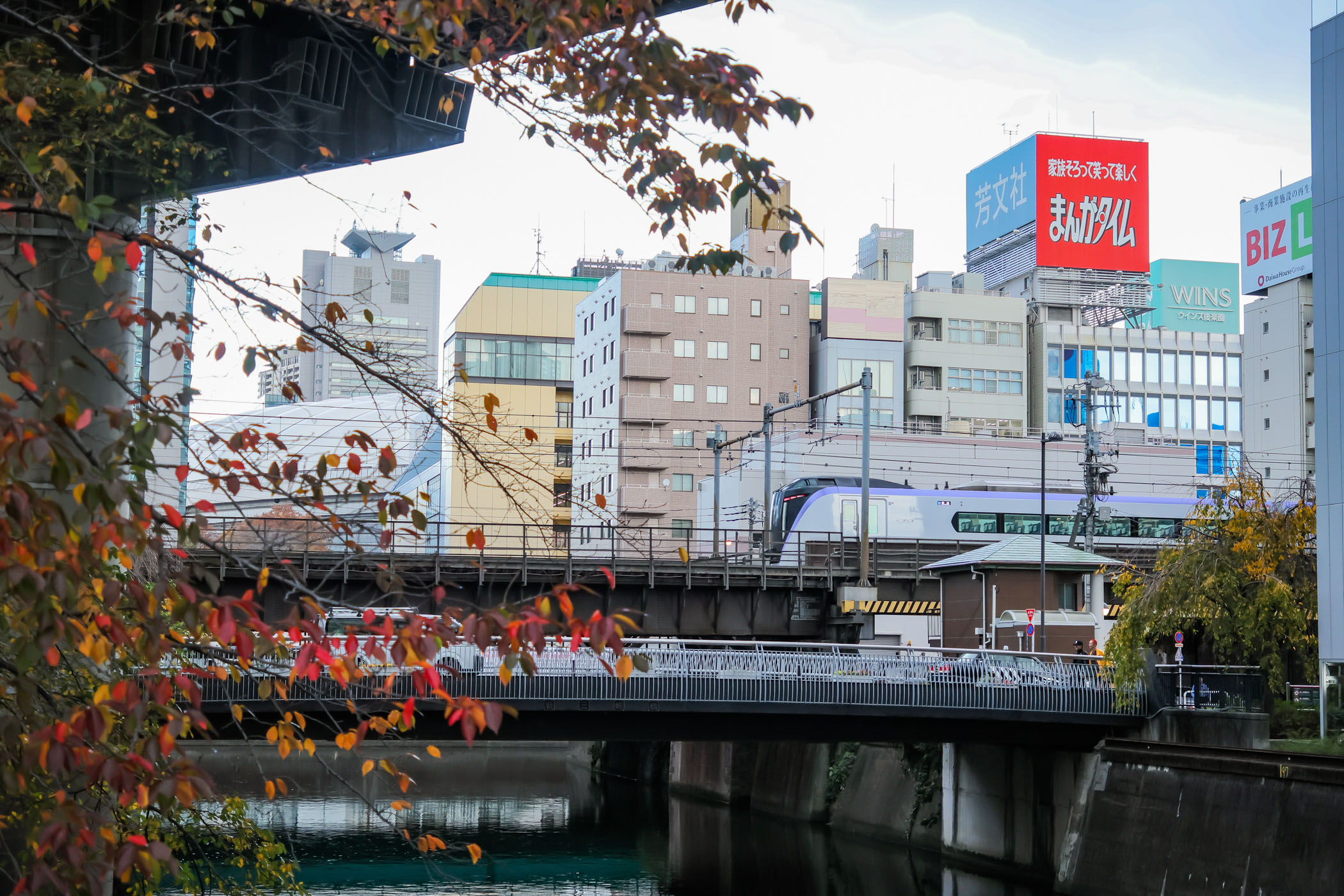
Iidabashi is one of Tokyo’s central districts, with a mix of business buildings, universities, cafés, bookstores, and riverside paths. It is also home to Akita Shoten, the publisher of The Dangers in My Heart manga.
While the building itself is not accessible to the public, the surrounding area captures a blend of modern and traditional Tokyo ambiance that perfectly fits a manga pilgrimage.
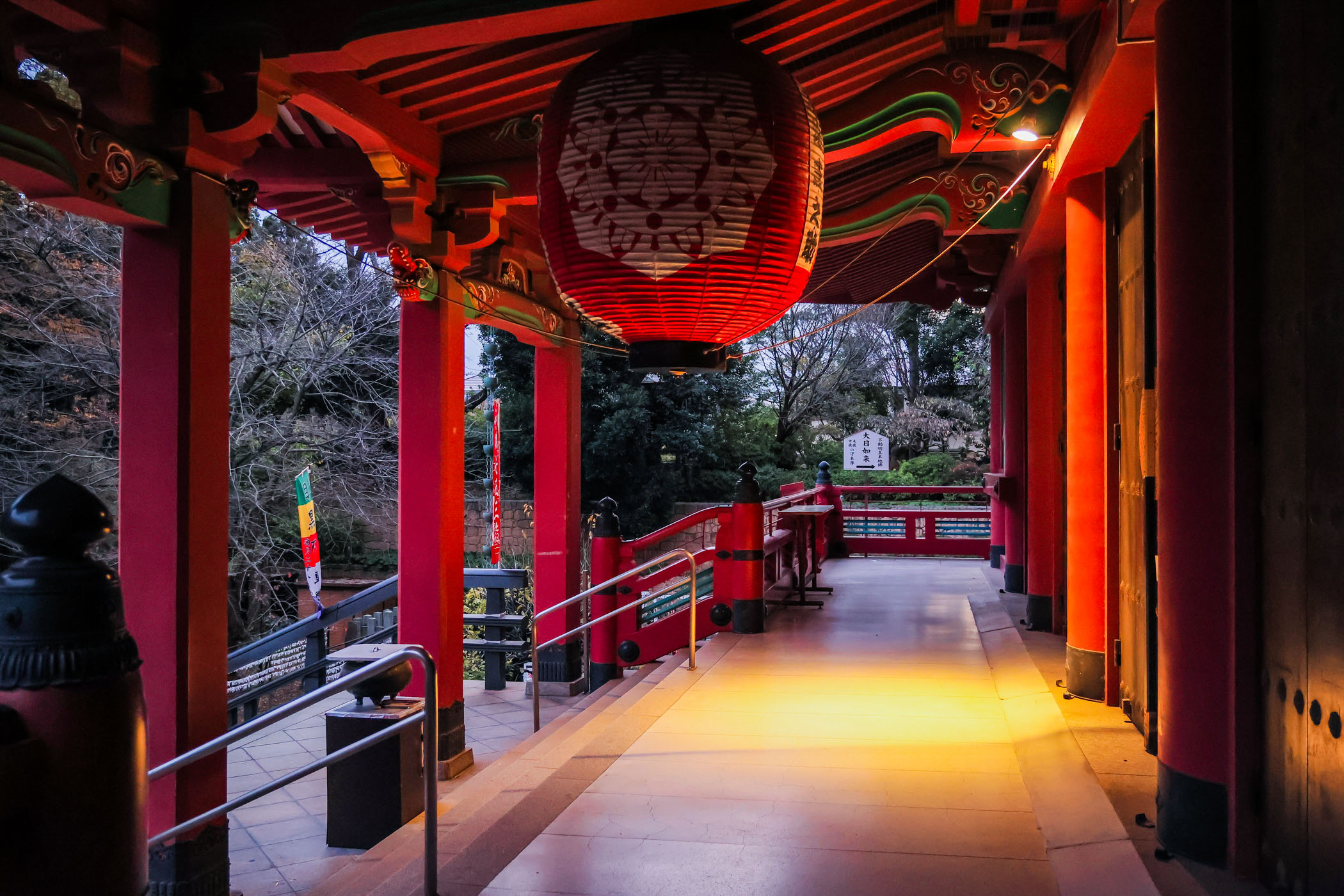
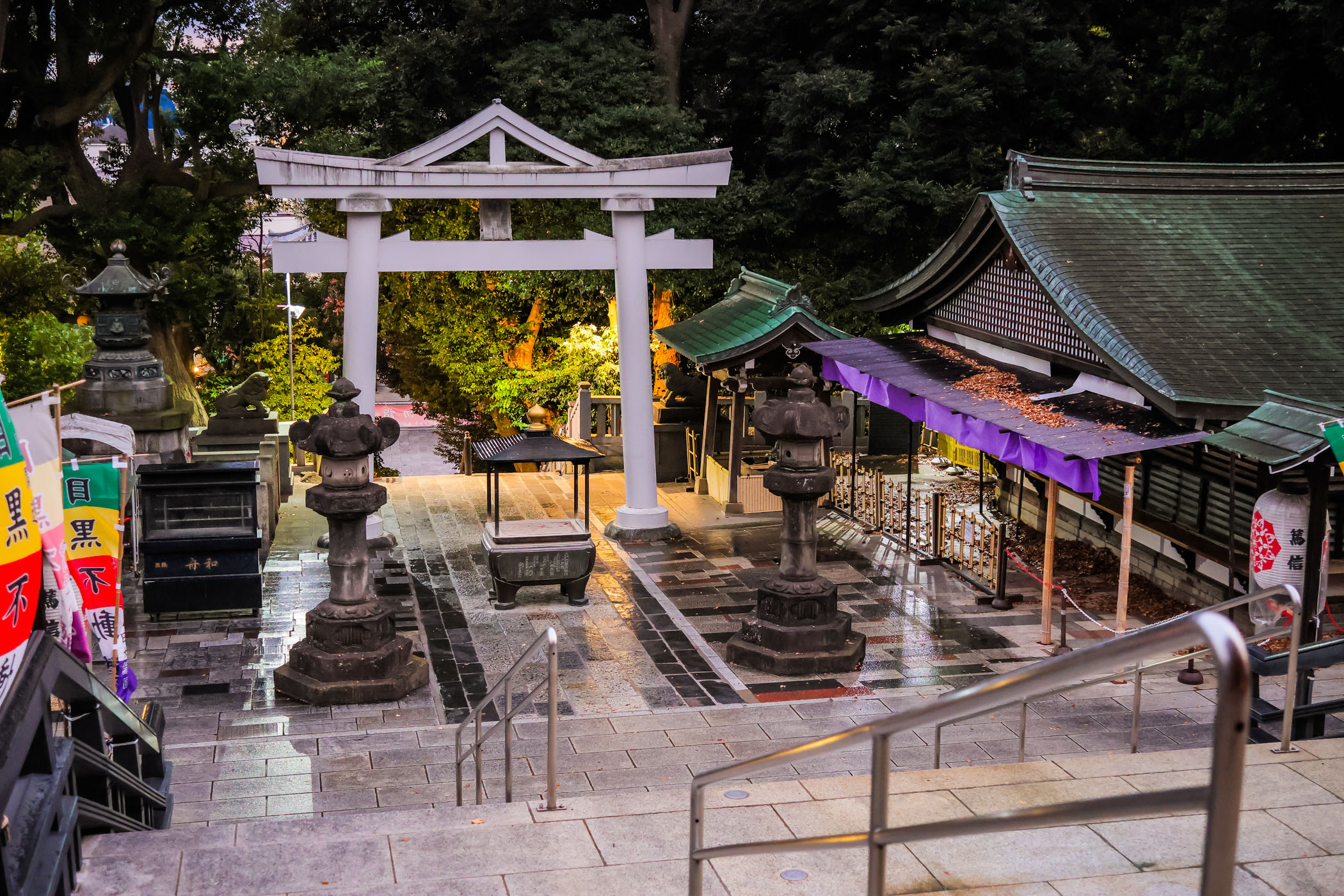
Meguro Fudōson – The Temple Where Their First Shrine Visit Promise Was Made
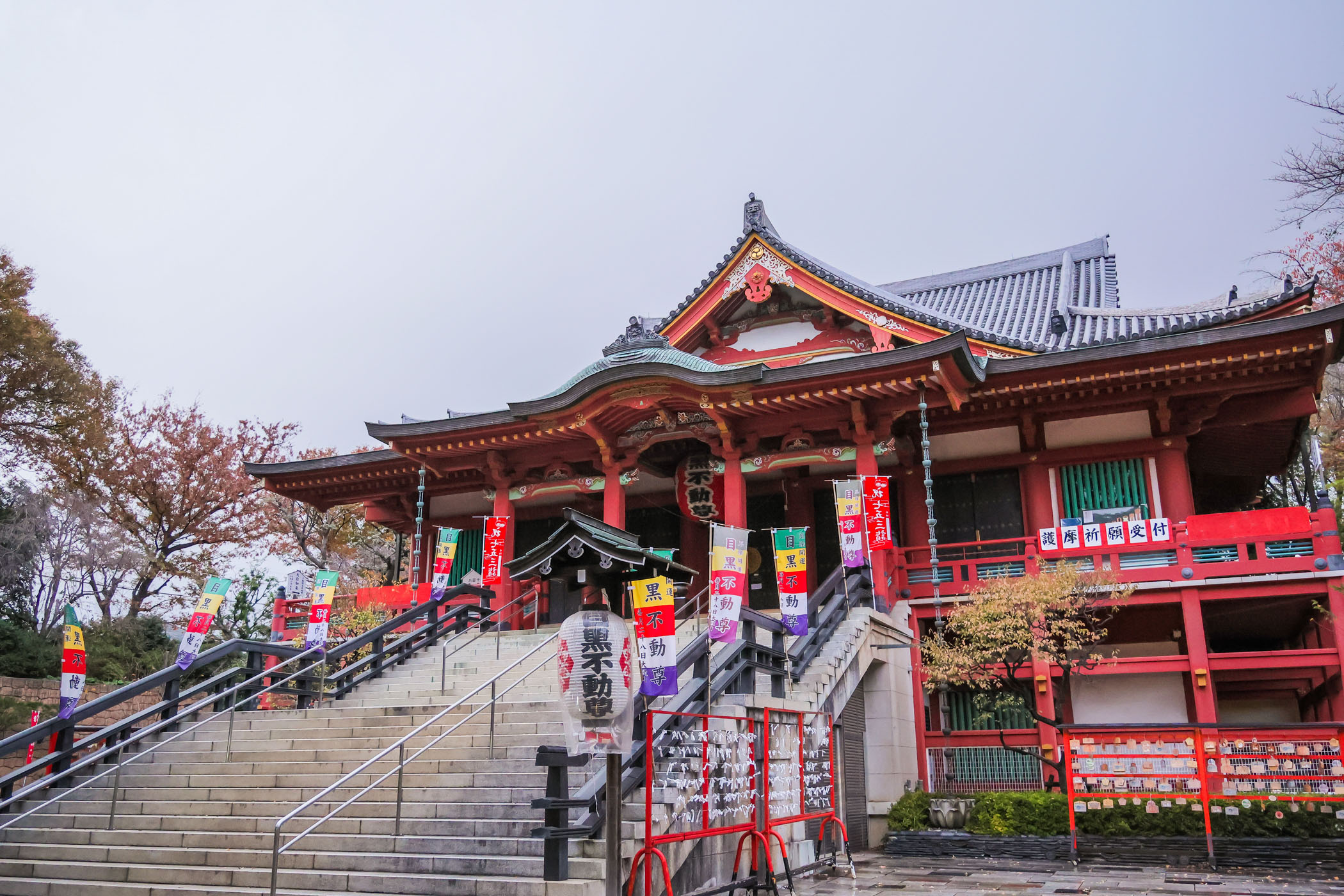
Meguro Fudōson is the temple where Ichikawa and Yamada promised to go for Hatsumōde in Season 1, Episode 12. During their visit, Yamada meets Ichikawa’s family for the first time, and after seeing the interaction between Ichikawa and Yamada, Ichikawa’s sister suddenly suggests, “Why don’t you come over to our place?” This unexpected invitation leads Yamada to visit Ichikawa’s home, becoming a quiet yet meaningful turning point that gently brings the two closer together.
In Japan, it is customary to visit a shrine or temple at the beginning of the new year for Hatsumōde. Paths leading to these sites are lined with food stalls offering classic treats like cotton candy and takoyaki. The food Yamada is seen eating in the episode appears to be skewered karaage—a popular festival snack that perfectly matches the warm, festive atmosphere of a New Year’s outing.
Musashi-Koyama Shopping Street – A Lively Hub of the Characters’ Everyday Life
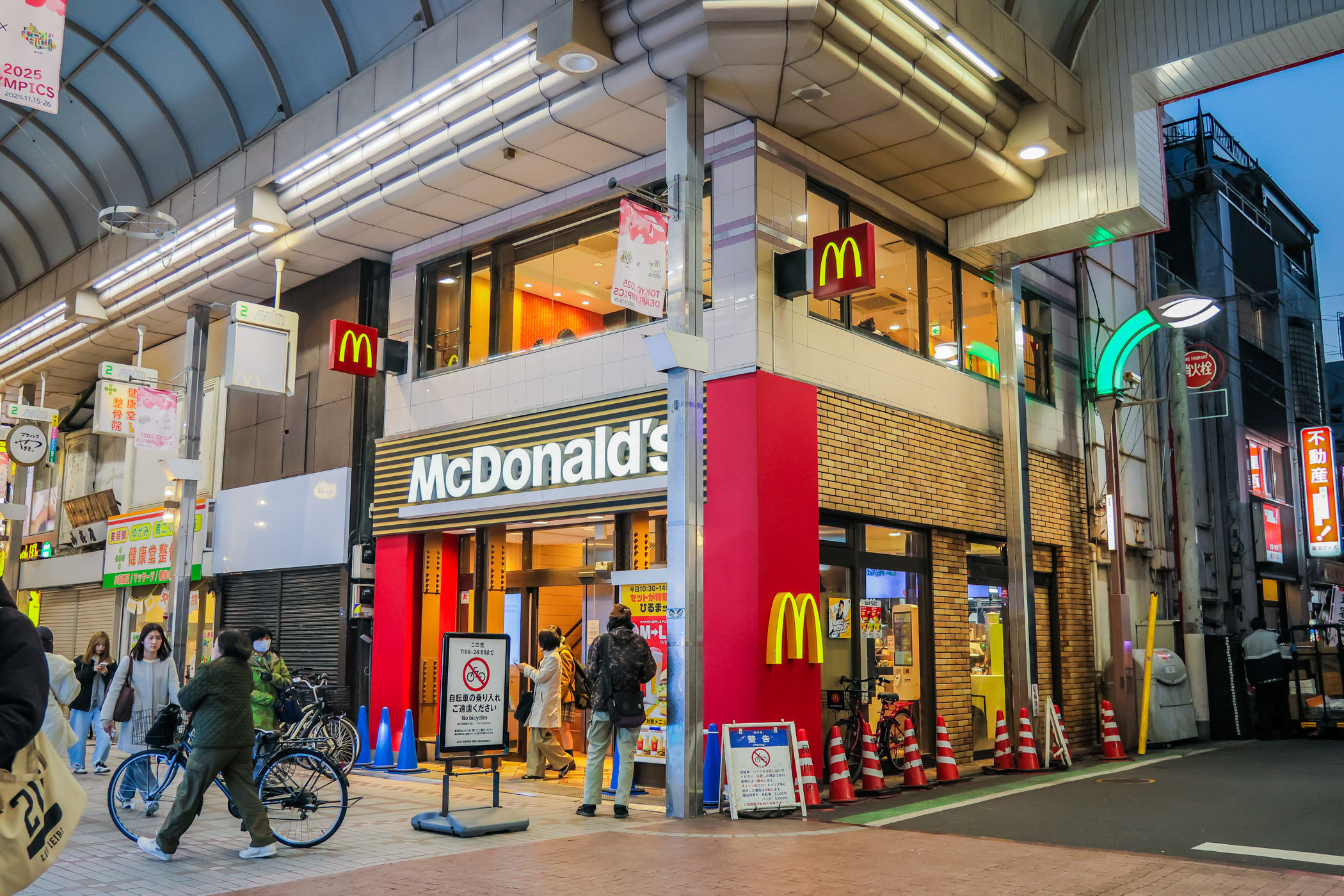
Musashi-Koyama Shopping Street is portrayed in the anime as an easygoing, everyday place the characters frequently visit. Books TAMA—where Yamada subtly tries to draw attention from other customers who might notice she appears in a magazine—along with the McDonald’s Ichikawa visits with his sister, and the takoyaki shop Gindaco, all make appearances. In real life, this is a lively shopping street filled with local residents, offering the same down-to-earth atmosphere shown in the series.
However, the real Gindaco location that inspired the shop where Ichikawa’s sister works no longer exists. Additionally, some places featured in the manga—such as Book Off—do not appear in the anime adaptation.
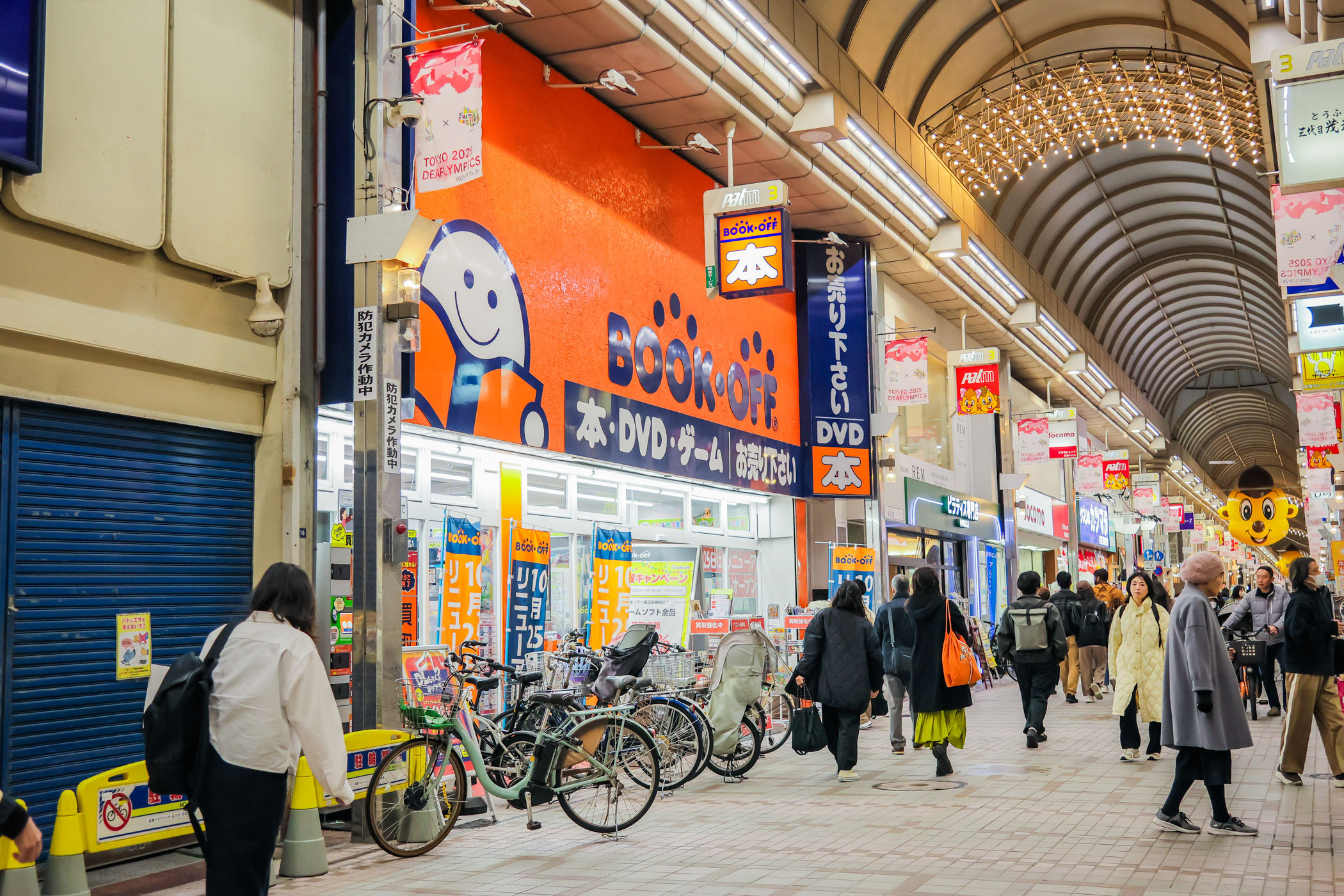
In the manga, this Book Off is depicted as the place where Ichikawa spent an entire day reading while standing on one of his days off.
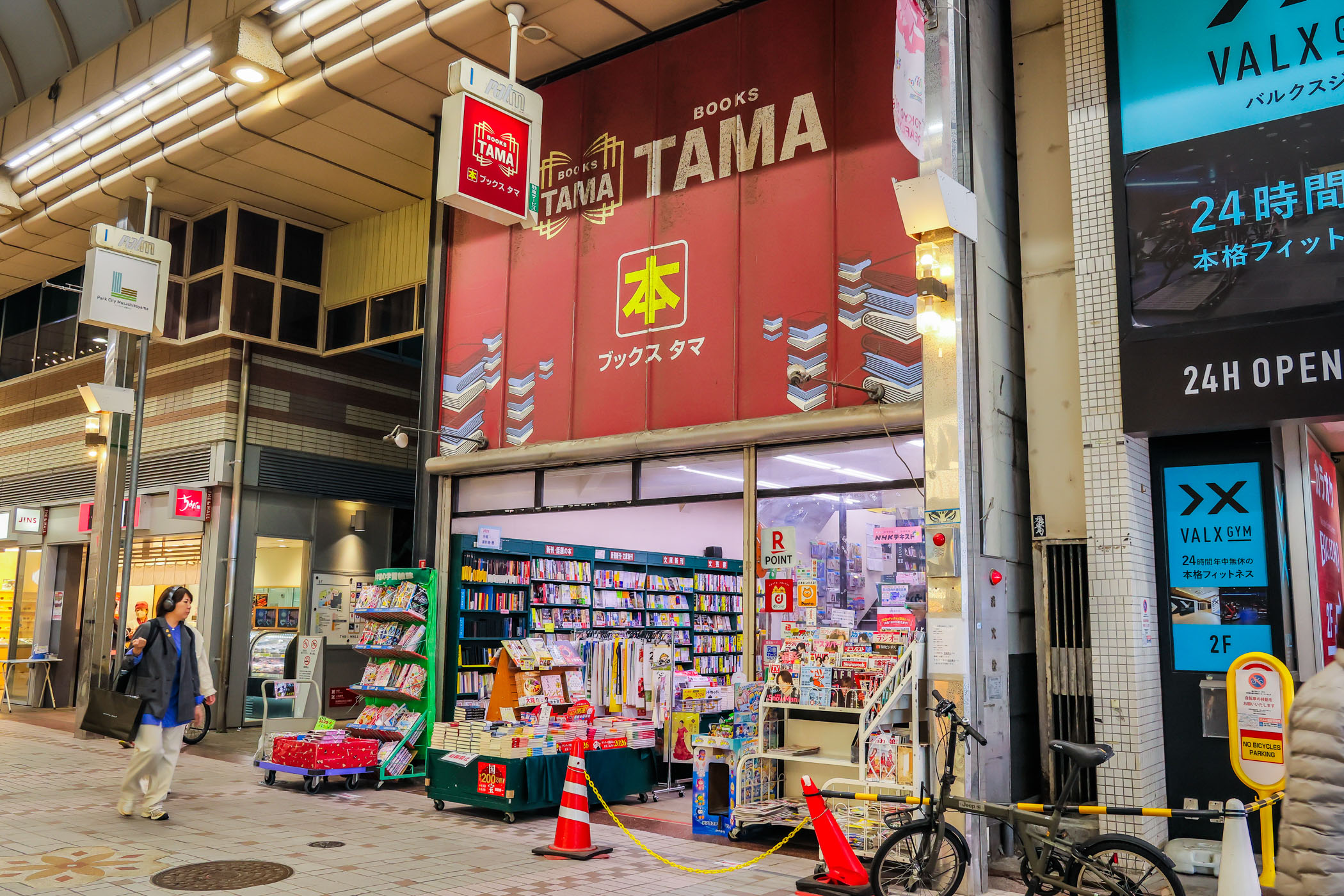
This is the model for Book Tama as it appears in the manga. However, the exterior used in the anime seems to be based on the more distant Ozaku branch.
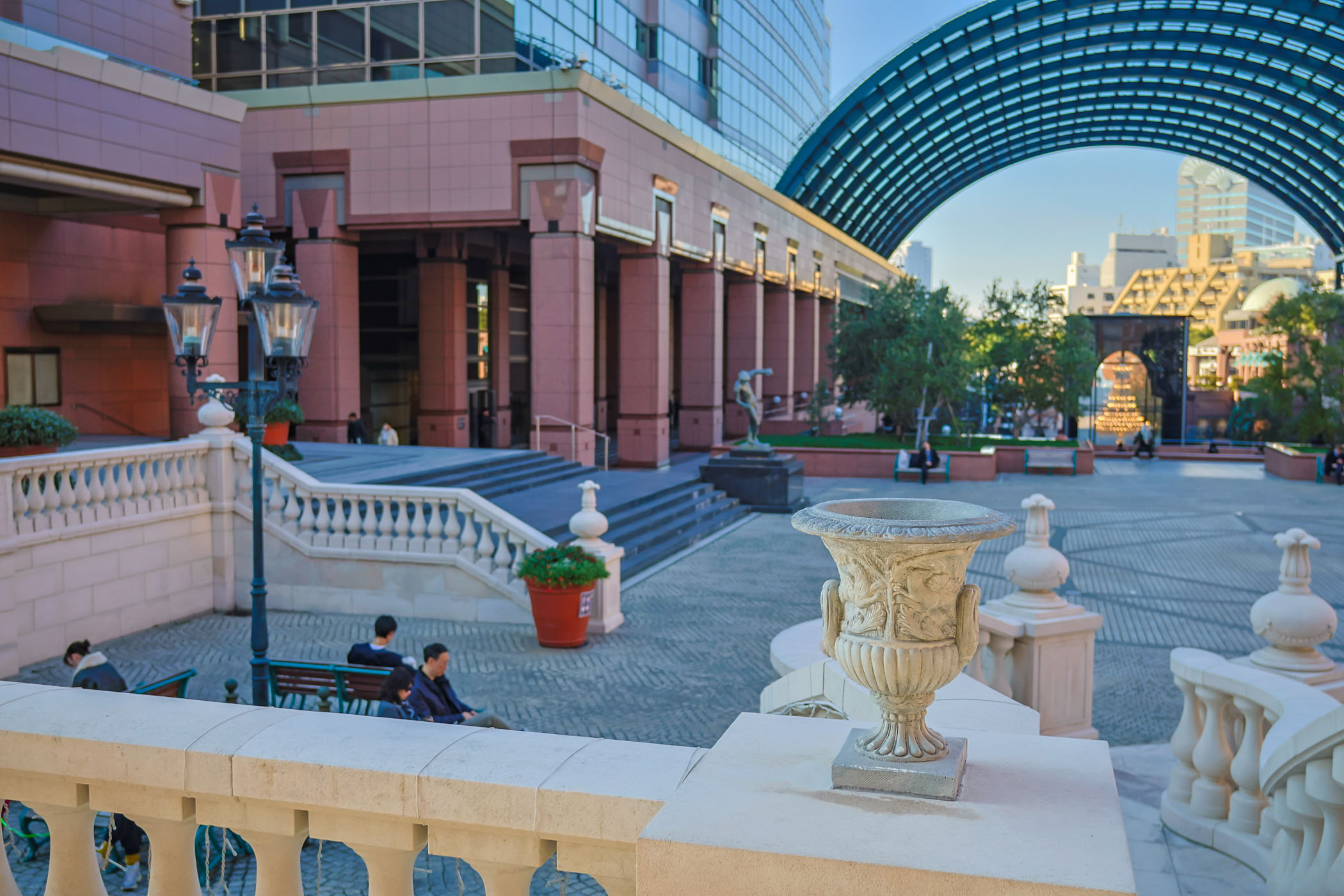
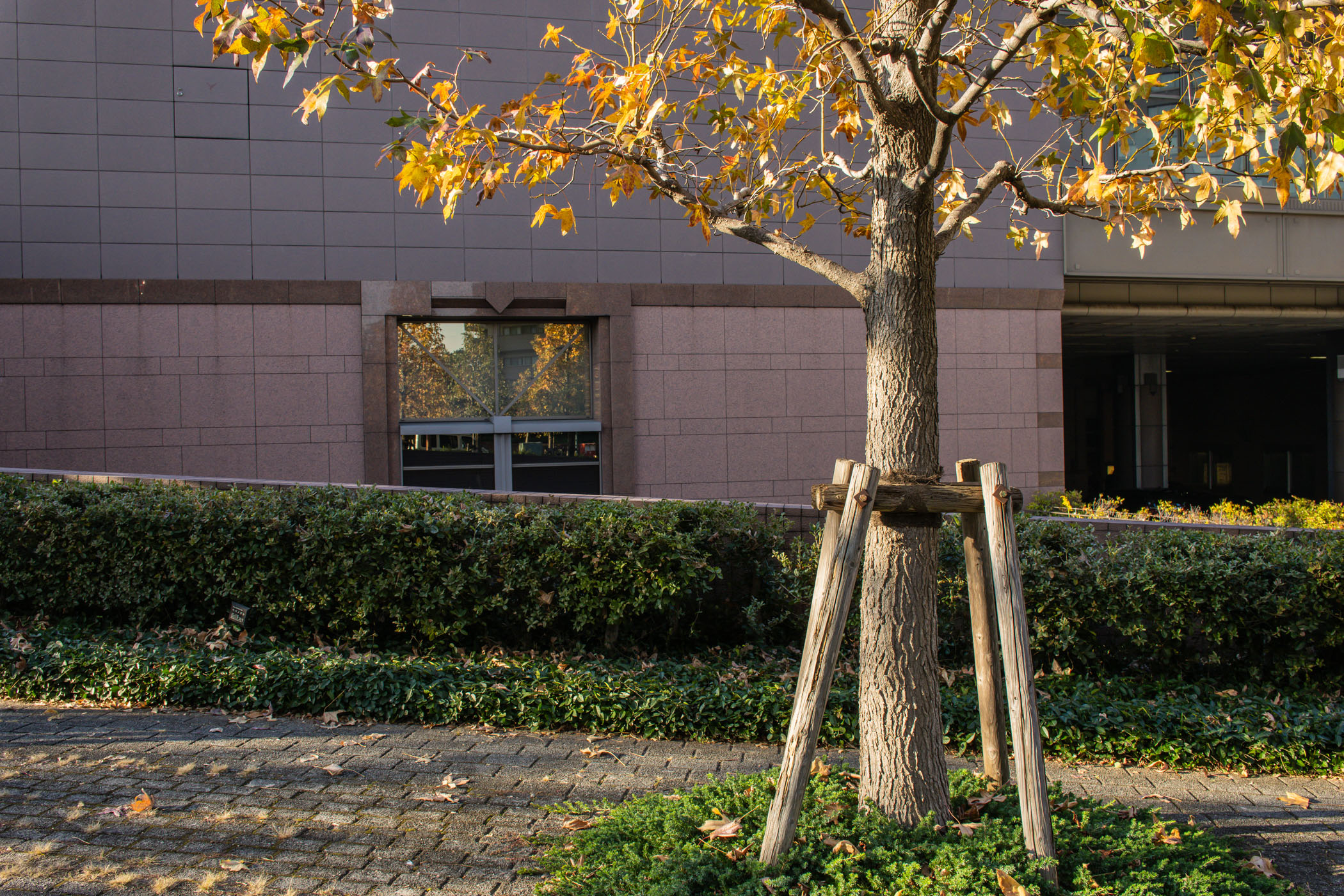
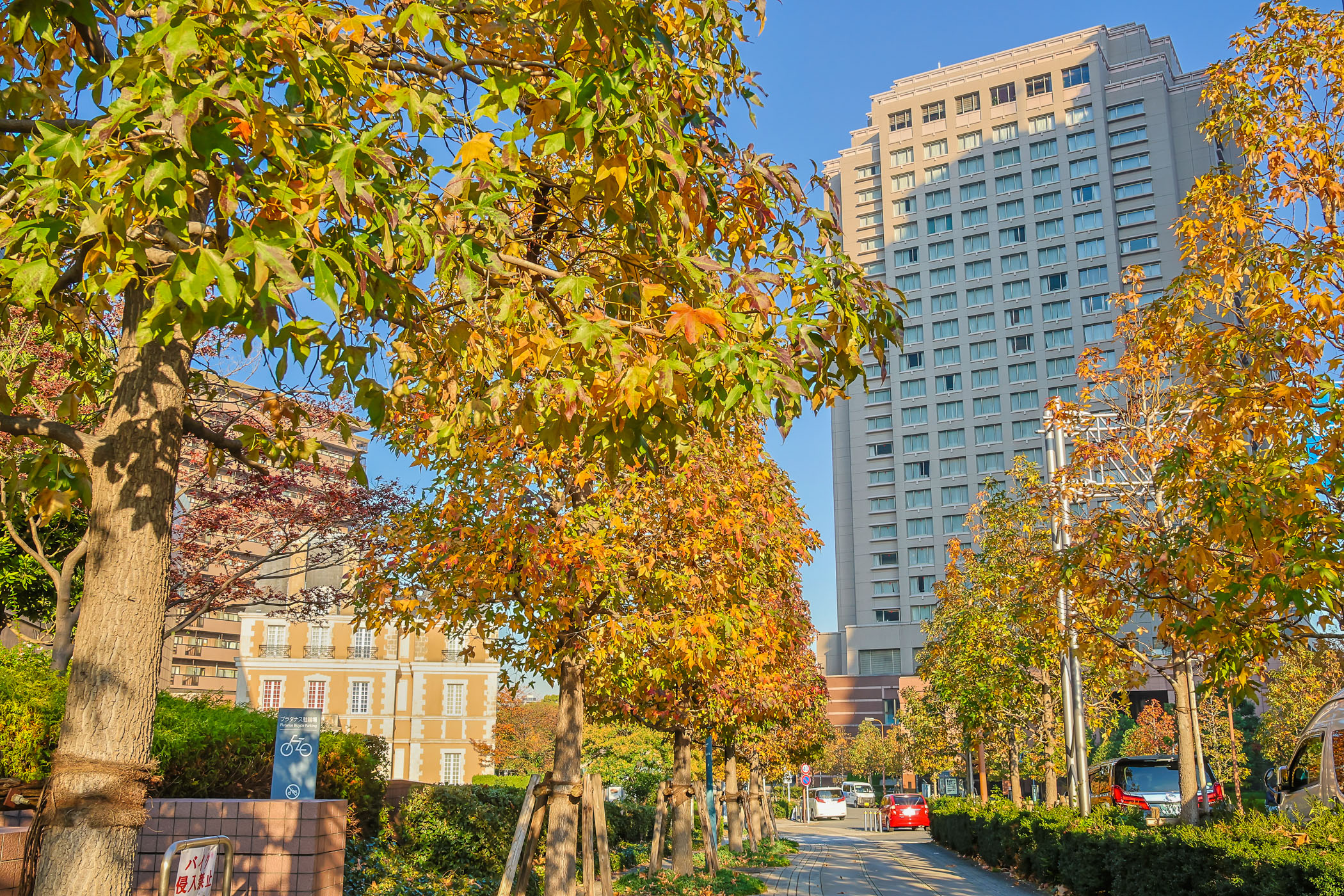
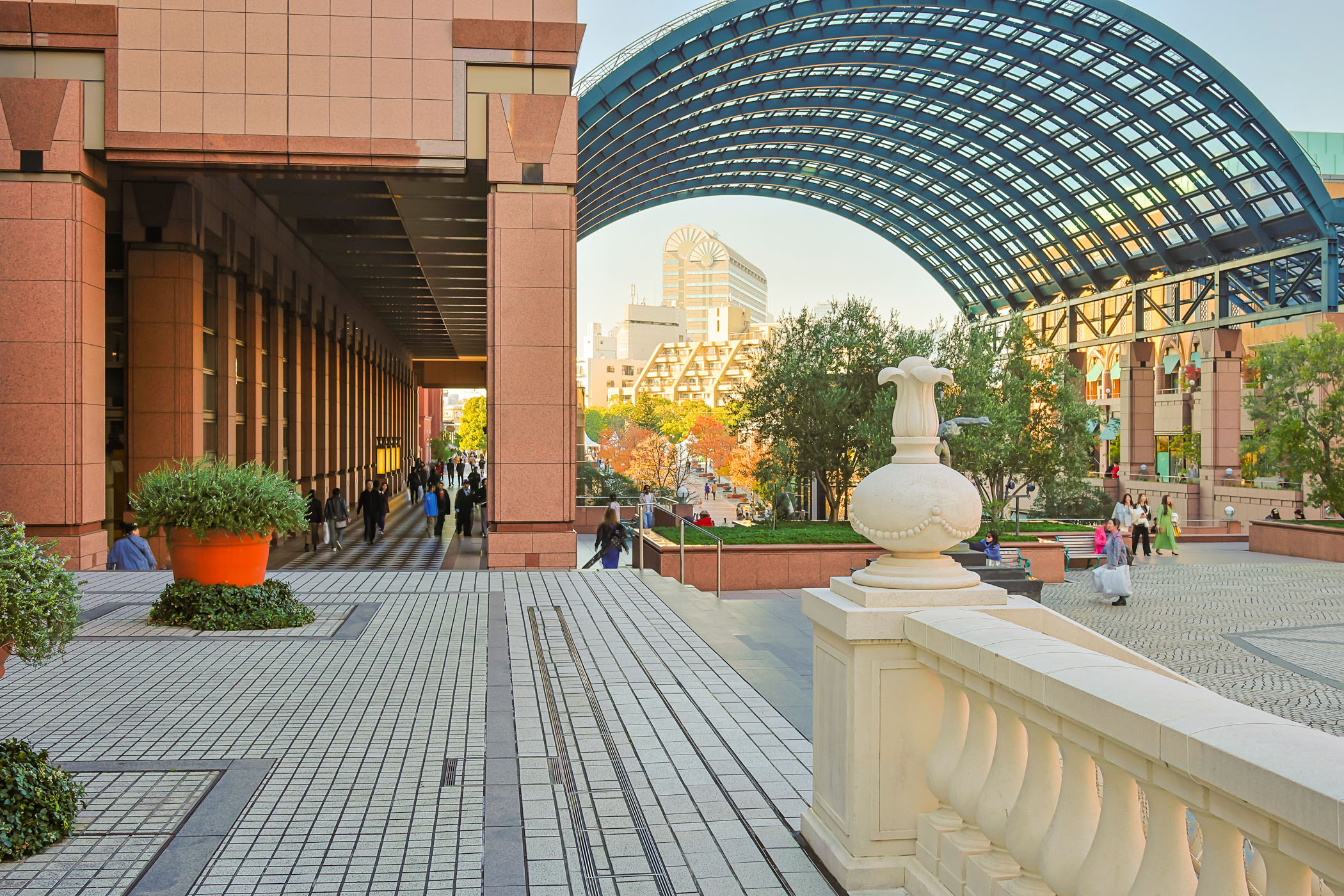
Ebisu Garden Place – The Real-Life Setting of Yamada’s Modeling Job
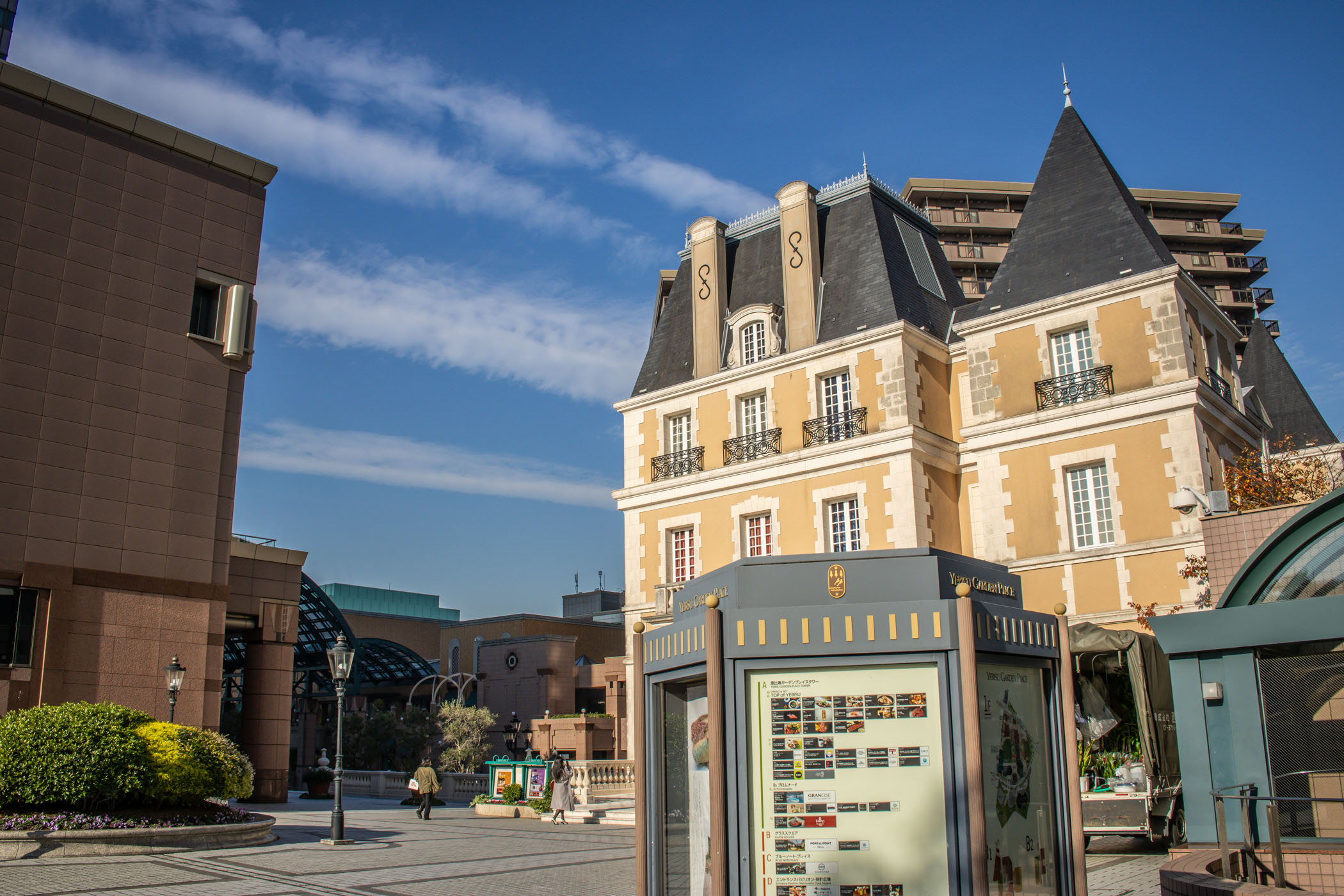
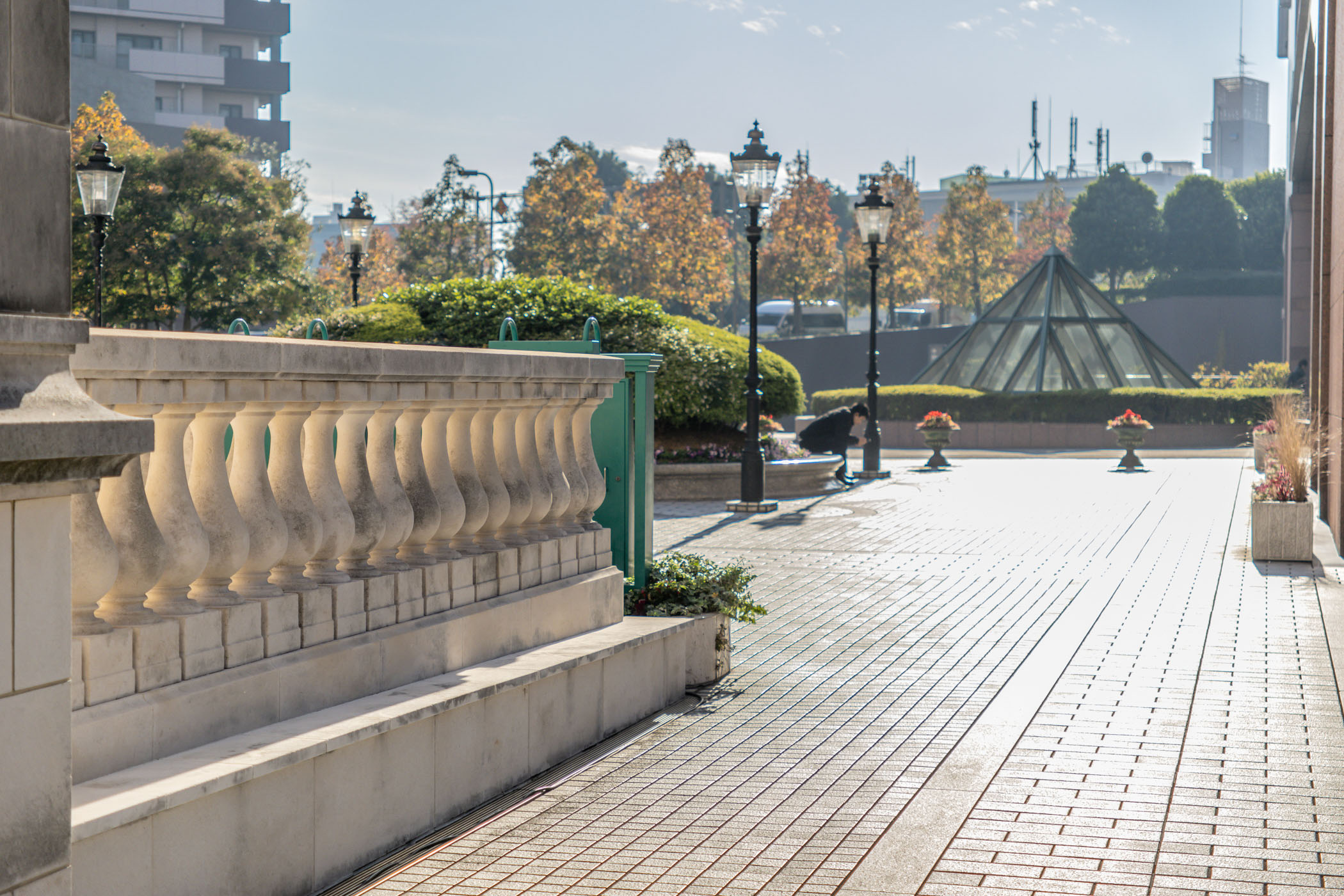
Ebisu Garden Place serves as the model for the location where Ichikawa goes to observe Yamada’s modeling job. Many of the spots shown in the anime exist in real life as well, though the area tends to be fairly crowded except in the early morning.
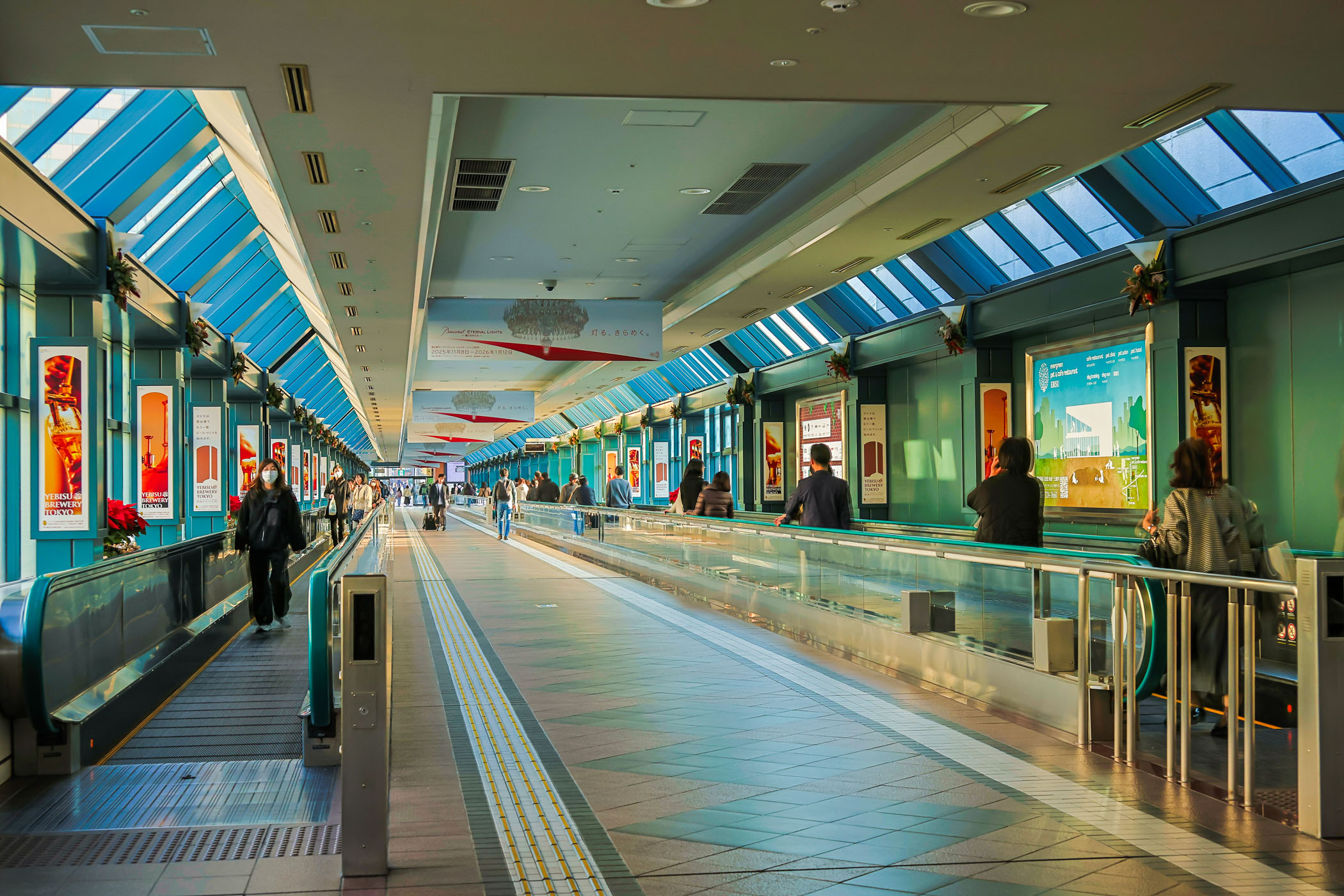
In the series, Ichikawa walks from JR Ebisu Station through the Ebisu Sky Walk to reach Ebisu Garden Place. However, instead of heading straight in, he deliberately circles around to the quieter south side in an effort to watch Yamada at work without attracting attention.
Harajuku – The Setting of Ichikawa and Yamada’s Fashionable Outing
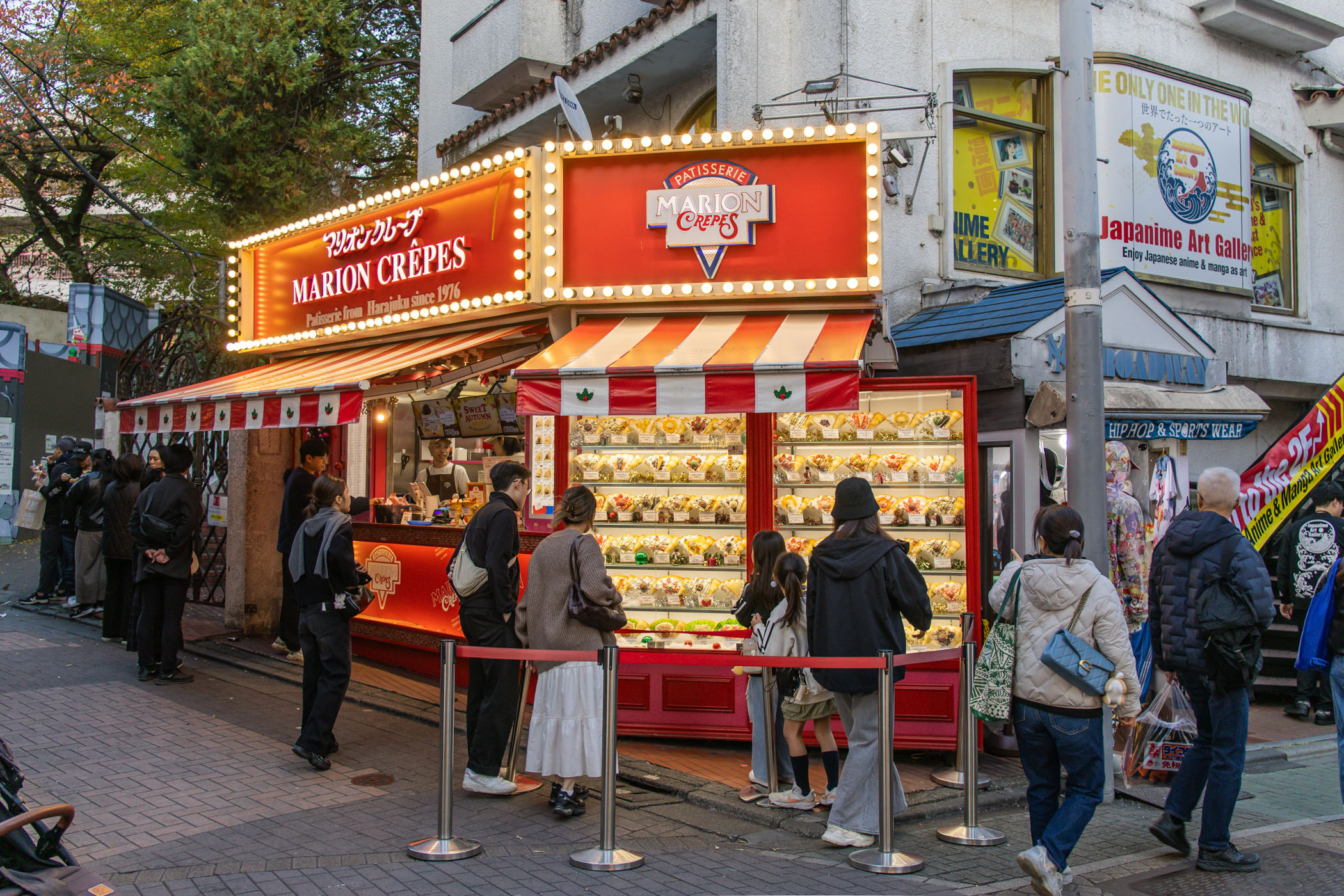
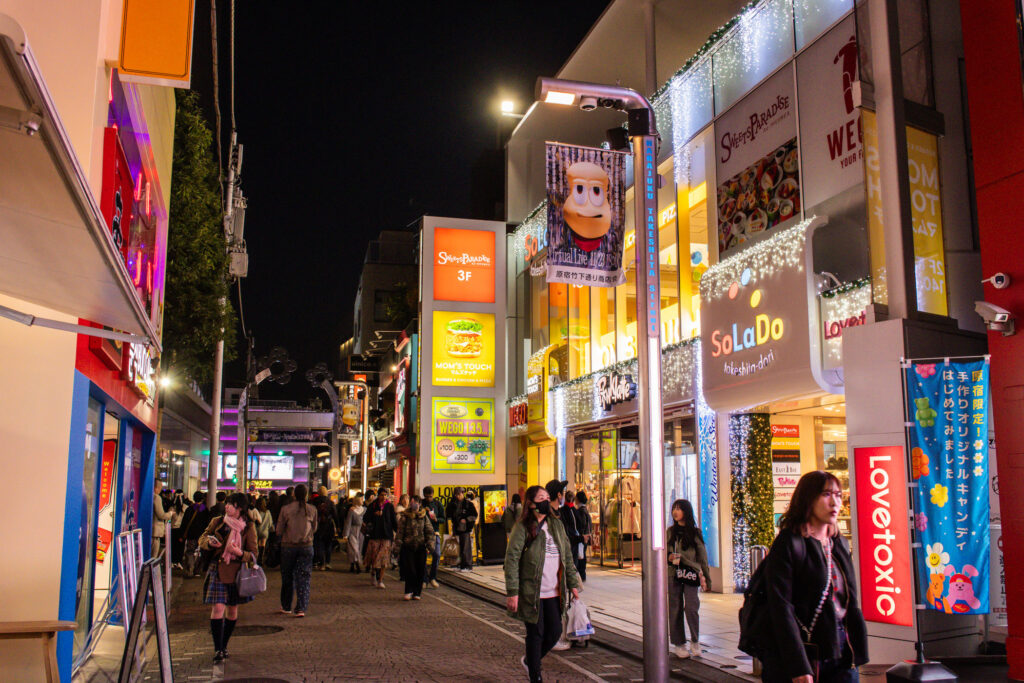
Harajuku’s famous Takeshita Street appears in the series as the place where Ichikawa and Yamada go out together with their classmates—the couple Kanzaki and Hara.
Lined with crepe stands, cafés, and unique fashion boutiques, the street offers the same bright and energetic atmosphere that characterizes the scenes in the show. The four of them visit Sweets Paradise, a popular all-you-can-eat dessert buffet chain favored by young people.
Frequently Asked Questions (FAQ)
Are all the locations that appear in the anime located in Tokyo?
Most of the locations introduced in this article are within Tokyo or its immediate surroundings. Areas such as Senzoku, Meguro, Shibuya, Ebisu, and Harajuku are all located within Tokyo’s 23 wards.
That said, some building or shop exteriors are modeled after places in other regions—for example, the Ozaku area in Hamura City.
In Season 2, Yamada travels outside Tokyo to Hiroshima for a photo shoot. This location will be covered in a future update.
When is the best season for an anime pilgrimage?
Spring (March–May) and autumn (October–November) are the best times to visit. The weather is mild, walking is comfortable, and lighting conditions are ideal for photography.
Summer in Tokyo can be extremely hot, while winter has shorter daylight hours except during the New Year shrine visit season.
Can I do an anime pilgrimage without speaking Japanese?
Yes. Station names, train lines, and major signage are widely available in English. With Google Maps and Google Translate, getting around is generally easy.
At convenience stores and tourist areas, basic English communication is often possible.
Is Google Translate alone enough?
For basic navigation and shopping, yes. However, it may not fully convey subtle nuances in menus or warning signs. Using the camera translation feature is especially helpful.
Is it possible to travel by bicycle?
In some areas, such as around Senzoku, cycling is possible. However, central areas like Shibuya, Harajuku, and Ebisu are very crowded and not well suited for bicycles.
Also note that in Japan, riding bicycles on sidewalks and carrying a passenger are restricted by law.
Can I take photos from the exact same angles as in the anime?
In many places, you can take photos from nearly identical angles. However, some locations—such as station interiors or residential neighborhoods—have restricted areas or require extra consideration.
Please be mindful of local residents and avoid causing inconvenience.
How many days are needed to visit all the main locations?
Visiting only the major spots can be done in one day, but two days is ideal if you want to enjoy the atmosphere at a relaxed pace.
A recommended split is one half-day for Shibuya and Ebisu, and another half-day for Senzoku, Meguro, and the Musashi-Koyama area.
Can non-anime fans enjoy this trip as well?
Yes. Shibuya and Harajuku are lively areas with many attractions, making them enjoyable even as general sightseeing destinations.
Ebisu and the area around Akita Shoten have restaurants and cafés, but planning ahead is recommended.
The Senzoku area is mainly residential, so while it offers fewer tourist attractions, it can be pleasant for a quiet walk.
Glossary – Helpful Japanese Terms for Anime Pilgrimage Travelers
For overseas readers, some everyday Japanese words and cultural concepts that appear in The Dangers in My Heart may be unfamiliar. This glossary explains commonly seen terms in the series and during anime pilgrimages in Japan, helping you better understand the scenes and enjoy your visit with confidence.
Hatsumōde (初詣)
The traditional first shrine or temple visit of the New Year in Japan. Families and friends visit to pray for good fortune, health, and success in the coming year. Food stalls often line the approach to the shrine, selling festive snacks. Hatsumōde plays an important role in Season 1, Episode 12.
Kōban (交番)
A small neighborhood police box commonly found near stations and intersections in Japan. Kōban are used for community policing, directions, and lost-and-found assistance. In anime, they often appear as familiar landmarks along everyday routes, as seen during Ichikawa and Yamada’s bicycle scene.
Famichiki (ファミチキ)
A popular fried chicken snack sold at FamilyMart convenience stores. Crispy, juicy, and inexpensive, Famichiki is widely loved in Japan and frequently referenced in anime and manga as a casual comfort food.
Konbini (コンビニ)
Short for “convenience store.” Major chains include FamilyMart, Lawson, and 7-Eleven. Konbini are everywhere in Japan and sell food, drinks, magazines, tickets, and daily necessities. Many key encounters in the series happen at or near convenience stores.
Double Riding (二人乗り)
Riding a bicycle with two people. While often portrayed romantically in anime as a symbol of youth, it is technically illegal in most parts of Japan. Scenes depicting this carry an added sense of nervous excitement for Japanese viewers.
Field Trip (校外学習 / 職業見学)
A school-organized outing outside campus. In The Dangers in My Heart, the workplace visit (a type of field trip) leads to Ichikawa and Yamada being separated from their classmates, creating an important emotional moment.
Conclusion – The Dangers in My Heart Brought to Life Through Real Landscapes
Whether you’re a devoted anime fan or simply a traveler exploring Tokyo, The Dangers in My Heart presents a world that feels intimate and quietly moving. From the lively streets of Shibuya and Harajuku to the calm residential neighborhoods of Senzoku and Meguro, the series layers everyday scenery with subtle emotional shifts, allowing viewers to experience its charm through real locations across Tokyo.
The area around Senzoku Station, where Ichikawa and Yamada live, isn’t a typical tourist destination. Aside from being a high-end residential neighborhood, it’s an unremarkable town at first glance. Yet many real locations appear both in the anime and the manga, and walking these streets can create the illusion that Ichikawa and Yamada might actually have been there. For fans of the series, taking a stroll through this neighborhood is highly recommended—you might even imagine the two of them stepping out of a FamilyMart after school.
As a small note about snacks in the series: the treat Yamada offers Ichikawa at the very beginning of the Season 1 opening is Umaibō, a classic Japanese snack known by virtually everyone in Japan. The next item she’s seen eating is Papico, a popular ice cream sold at nearly every convenience store, which comes as two connected sticks. In Season 1, Episode 2, the candy Yamada is making is Nerunerunerune, a children’s DIY candy famous for its witch-themed commercials.
When visiting these real-world locations—especially quiet residential areas—please remember to be considerate of local residents. Respectful behavior and good photography etiquette will help ensure a pleasant experience for both visitors and the community.
Final Tips for an Enjoyable The Dangers in My Heart Pilgrimage
To make your The Dangers in My Heart anime pilgrimage both memorable and respectful, a little preparation goes a long way.
First, be mindful of local residents. Many key locations—especially around Senzoku, Meguro, and residential streets—are real neighborhoods where people live their daily lives. Keep noise to a minimum, avoid blocking pathways, and refrain from photographing private homes or individuals without permission.
Second, time your visits wisely. Early mornings are ideal for stations and popular spots if you want photos that closely match the anime’s quiet atmosphere. Midday and evenings can be lively and fun, but crowds may make it harder to recreate specific scenes.
Third, use public transportation. Tokyo’s rail network is reliable, English-friendly, and far more convenient than driving. Walking between nearby locations often reveals subtle scenery that feels straight out of the series.
Fourth, don’t chase perfection. Not every angle will match exactly, and some places have changed over time. That’s part of the experience—seeing how fiction and reality gently overlap, rather than perfectly align.
Finally, slow down and enjoy the mood. This series is defined by small gestures, awkward silences, and quiet emotions. Take breaks at cafés, sit on a bench, or simply walk the same streets as Ichikawa and Yamada. Let the ordinary scenery sink in—that’s where the heart of this pilgrimage truly lies.
With respect, curiosity, and a bit of patience, your journey through these real-world locations can become a personal extension of the story itself.